




 Raheem Tours
27 November 2026
Raheem Tours
27 November 2026
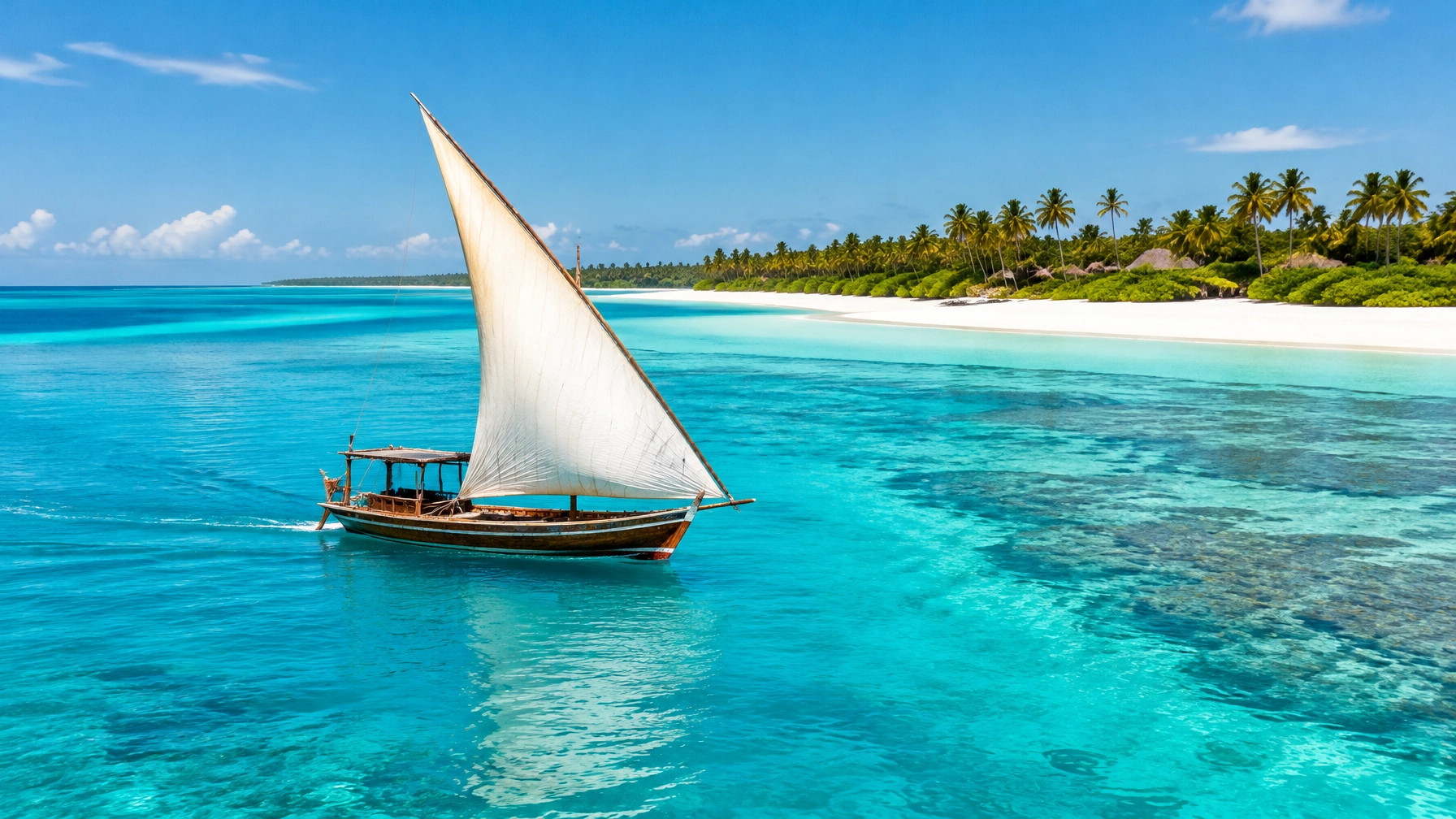
Zanzibar is an Indian Ocean escape you can shape around the way you like to travel: a few atmospheric nights in Stone Town, a quiet villa beside the sea, or a barefoot-luxury stay paired with a mainland safari. The key is choosing the right coast and month, not just the prettiest photograph.
From the UK, journeys generally involve a connection through a Gulf or East African hub and take around 11–14 hours, depending on the route. Seasonal direct options may operate some winters, so check schedules for your dates. With thoughtful planning, Zanzibar feels wonderfully within reach, and the island has a stretch of shoreline for almost every kind of traveller.
Zanzibar is warm year-round, commonly around 26–32°C, but rainfall, humidity and sea conditions change the feel of a beach holiday. The Zanzibar tourism board’s seasonal guide is a useful starting point.
| Season | What to expect | Best for |
|---|---|---|
| June–October | Generally dry, cooler and breezier: the most reliable all-rounder | Beach days, exploring and safari combinations |
| November–mid-December | Short rains, often passing afternoon showers, though patterns vary | Flexible travellers and greener island scenery |
| January–February | Hot, dry spells and warm seas; the days can feel humid | Winter sun and Tanzania’s southern Serengeti calving season |
| Mid-March–May | Long rains, with heavier and more persistent downpours; some properties close or renovate | Travellers comfortable with a genuinely low-season experience |
On the east coast, the tide can matter more than the rain. At low tide, the sea retreats across broad shallows, and seasonal seaweed can affect swimming. Check tide times, choose your hotel for its particular beach, and consider reef shoes for tidal flats.
Nungwi and Kendwa, on the north-west coast, have Zanzibar’s classic white-sand swimming beaches, with less tidal variation than the east. They are also the livelier end of the island, with more choice of restaurants and activities, often a good fit for families, swimmers and first-time visitors.
Matemwe, Kiwengwa and Pongwe, on the north-east, offer long, serene beaches and a quieter retreat atmosphere. The tide is more noticeable here, so ask your hotel how swimming works across the day. For a honeymoon or a slower escape, this stretch is often the sweet spot: beautifully peaceful without feeling remote.

Paje, Bwejuu and Jambiani make up the laid-back east and south-east coast. Paje is the island’s kite-surfing hub; Jambiani retains a village feel, with palms, reef flats and a long horizon. These beaches are lovely for walking, watersports and a sense of space, but low-tide shallows and seaweed can make them less suited to all-day swimming.
On the south coast around Kizimkazi, dolphin trips are available, but standards vary. Choose an operator that follows responsible wildlife guidance: keep distance, never chase or surround dolphins, and accept that a respectful encounter may mean watching from afar, or not seeing them at all.
Fumba, in the south-west, opens onto the Menai Bay conservation area, where sandbank picnics and dhow trips bring a quieter, more open-water feel.
Carved doors, coral-stone lanes and the layered life of the harbour make Stone Town an essential part of the island, not just a stop between airport and beach. Its history deserves time and attention. Our earlier piece, Zanzibar & the Swahili Coast: A Journey Through Time and Spice, explores that cultural story in more depth; here, think of Stone Town as the natural beginning or ending to your beach stay.
Visit the Old Fort and the House of Wonders’ famous balcony, then make space for the Slave Market memorial and Anglican Cathedral. Zanzibar was a hub of the Indian Ocean slave trade. This is not a chapter to reduce to a photo opportunity; approach the memorial and its history with care.

At dusk, Forodhani Gardens fills with food stalls. Try Zanzibar pizza and urojo soup; choose busy stalls with a good turnover, and follow local queues. Freddie Mercury’s birthplace is a brief, lighter stop, while a rooftop sundowner above the dhow harbour offers a quieter view of the city.
Two nights work well: enough to explore and eat, without asking you to love the maze at midday, when heat and crowds can make it feel exhausting. Stone Town is at its most magical in the softer light of evening.
A good spice tour is sensory rather than theatrical. Look for a community-run farm, where clove, vanilla, cardamom and lemongrass are part of a living local story, not simply props for a tasting.
At Jozani Forest, go with a licensed guide to look for endemic red colobus monkeys and follow the mangrove boardwalk. Keep a respectful distance and never feed wildlife. For practical park and conservation guidance, consult Tanzania National Parks’ Jozani–Chwaka Bay information. Inland, Kuza Cave offers a distinctive swim in a natural freshwater cave. A memorable oddity between beach days.


Pemba, the green island north of Unguja, is quieter and more remote, with small lodges and a reputation for exceptional diving in the Pemba Channel. Mafia Island, south of Zanzibar, offers a marine-park setting and seasonal whale-shark trips, generally between October and February. Sightings are never guaranteed; choose a conservation-minded operator and do not touch or crowd marine wildlife.
Both islands require extra flight planning. That additional step is part of their appeal for travellers who want the more secluded, connoisseur version of an Indian Ocean escape.
The classic bush-and-beach combination joins Zanzibar with a fly-in safari to the Serengeti, Ngorongoro or Tarangire. For a northern circuit, your route may use Kilimanjaro or Arusha as a gateway, then scheduled bush flights to safari airstrips. In December–February, the southern Serengeti’s calving season can bring a remarkable wildlife spectacle.
For a southern-circuit alternative, consider Ruaha or Nyerere, formerly known as the Selous, planned around connections through Dar es Salaam and regional safari flights. Small aircraft have luggage limits and schedules can change, so allow a sensible buffer before your international flight. We can tailor a beach-and-bush itinerary around your priorities, from wildlife-rich days to a longer, slower beach stay.
Luxury here can mean a villa with a plunge pool just steps from the sand, a private-island stay, a dhow cruise in the late light or a spa treatment scented with clove and coconut. It can also mean choosing a hotel that feels peaceful, serves food you love and sits on a beach suited to how you actually spend your day.
For a beautiful but never too lively stay, the north-west is the more animated choice; the north-east and east are generally more serene. Match the coast to your travel style first, then choose the hotel. That small decision often makes the whole trip.
Zanzibar’s Swahili table reflects centuries of Indian Ocean exchange. Look for pilau and biryani, octopus curry, urojo, cassava chips with pili-pili, tamarind chutney and fresh sugarcane juice. Hotel dining is often polished and international; the genuine food adventure is usually found in Stone Town, where local stalls bring the island’s flavours together.
UK passport holders need a Tanzanian visa. Apply through the official Tanzania e-visa portal and check current entry rules on GOV.UK’s Tanzania travel advice before departure. Visa-on-arrival arrangements and requirements can change, so verify rather than relying on old advice. The Tanzanian shilling is the local currency: cards are accepted at many hotels, while cash is useful for smaller purchases.
Zanzibar is predominantly Muslim. In Stone Town and villages, cover shoulders and knees; keep beachwear to the beach. During Ramadan, opening hours and the rhythm of the day may change, and Friday prayers can affect business hours.
Zanzibar is a malaria area. Ask a travel-health professional about prophylaxis and check current health advice; use repellent, drink bottled or treated water, and pack reef shoes for tidal flats. Yellow-fever certificate requirements depend on your route and countries visited, so check official guidance. At sea, use reef-safe sunscreen, never touch turtles or dolphins, and favour dive operators with clear conservation credentials. The CDC’s Tanzania travel-health guidance is a useful reference alongside professional advice.
Seven nights, island-first: spend two nights in Stone Town, then five on the north coast for easier swimming or the north-east for a quieter retreat. Add a spice farm or Jozani visit between beach days.
Ten nights, bush and beach: allow three to four nights on safari in northern Tanzania, followed by six to seven nights in Zanzibar. A Stone Town opening or closing stay can fit neatly around the beach portion.
For winter 2026–27, north-east villas and Pemba’s small lodges can sell out early, especially over Christmas and New Year. Book the safari side first when combining trips, as specialist camps and bush flights have limited capacity. If you’re planning later, or making a last-minute decision, our team can help check what remains and build around real availability.
Explore Raheem Tours for thoughtfully planned holidays, from beach escapes to tailor-made combinations. For the Instagram post promoting this guide, comment SPICE and we’ll send you the direct blog link by DM.
Timeless travel, whenever wherever.