

Timeless travel, whenever wherever.
March 2027 brings together three beautiful reasons to travel: the closing of Ramadān and Eid al-Fitr, the renewal of Nowruz, and the first true arrival of spring across Europe, Africa and Asia.
For some travellers, it is a time for religious & pilgrimage tours and meaningful family visits. For others, it is the perfect month for a serene beach escape, a cultural city break or a journey through hidden gems before summer crowds arrive.
Dates and conditions matter. Ramadān 2027 is expected to run from approximately 8 February until around 9 March, with Eid al-Fitr expected around 9–11 March. Nowruz is expected around 20–21 March. These dates depend on moon sighting, local religious authorities and official announcements. Always verify current religious dates, public holidays, flight schedules and entry requirements before booking.
🌙 The closing of Ramadān and Eid al-Fitr
Eid al-Fitr marks the end of Ramadān: a joyful festival of prayer, gratitude, generosity and togetherness. The day often begins with a special Eid prayer, followed by visits to family and friends, gifts for children, charitable giving and tables filled with treasured dishes.
The atmosphere is warm and beautifully dressed: new clothes, freshly prepared food, homes opened to visitors and neighbourhoods alive with greetings. Depending on the country and family tradition, you may encounter sweets such as maamoul, baklava, dates, sweet vermicelli, rice dishes, grilled meats and fragrant pastries.
Travelling during Eid
In the Middle East, Eid is often a major family travel period. Airports, domestic flights, resorts and intercity trains can become exceptionally busy, while some attractions and businesses operate shorter hours or close briefly.
In Türkiye, expect lively family gatherings, confectionery shops filled with lokum and baklava, and a festive mood in Istanbul, Antalya and the Aegean resorts. March weather is usually cool to mild in Istanbul, often around 12–15°C by day, while the southern coast can feel gentler. Flights from the UK to Istanbul commonly take around 4 hours, depending on the airport and route. Eid travel suits families and culturally curious city-break travellers, but book flights and hotels at least four to six months ahead for the best choice.
In Malaysia, Eid is known as Hari Raya Aidilfitri. Kuala Lumpur and the wider country come alive with open houses, traditional clothing, mosque visits and wonderful food, including rendang, ketupat and festive biscuits. March is warm and humid, often around 30–33°C by day, with the possibility of rain. UK flights to Kuala Lumpur usually take around 13 hours or more, often with one stop. Plan at least four to six months ahead, especially if travelling during school holidays.
In Indonesia, Eid is known as Lebaran, bringing one of the world’s largest annual family movements. Roads, trains and flights can fill rapidly as people return to their hometowns. Jakarta and Java are hot and humid, commonly around 30–32°C, and the atmosphere is deeply family-focused rather than designed around international tourism. From the UK, Jakarta generally requires around 14 hours or more, usually with a connection. Secure accommodation and internal transport as early as possible.
When visiting during Eid, dress modestly around mosques and family settings, avoid assuming every restaurant will be open during changing holiday hours and be patient with busy transport. A warm invitation to share iftar or an Eid meal can be one of travel’s most memorable gifts: accept graciously if offered, while respecting the family’s customs and timing.
🌱 Nowruz: a new year shaped by spring
Nowruz, the Persian New Year, is a celebration of renewal connected to the spring equinox. It is observed across Iran, Azerbaijan, Uzbekistan, Kazakhstan, Kyrgyzstan, Afghanistan and Kurdish regions, as well as by communities around the world.
The centrepiece is Haft-sin, a carefully arranged table of symbolic items beginning with the Persian letter “s”, including sprouts, apples, garlic, vinegar, sumac and coins. Homes are cleaned, new clothes are worn and families gather around food that reflects abundance and spring.
In Central Asia, you may encounter sumalak, a rich wheat-sprout dish prepared communally over many hours, and sabzi polo, fragrant herb rice often served with fish. Before Nowruz, some communities observe fire-jumping rituals associated with Chaharshanbe Suri, when people symbolically leap over flames and leave the old year behind.
The Silk Road atmosphere
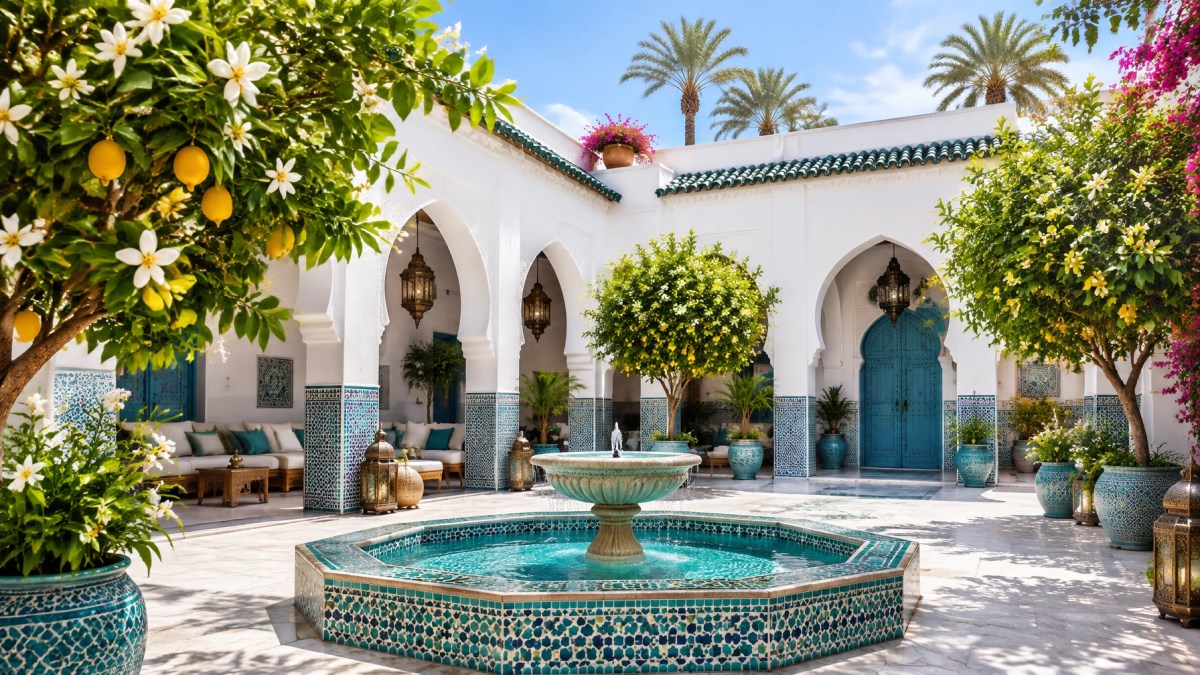
Uzbekistan offers one of the most spectacular ways to experience Nowruz. In Samarkand, Bukhara and Khiva, blue-tiled domes, ancient madrasas and broad public squares become the setting for music, dance, traditional dress and generous communal celebrations.
The weather is generally springlike but changeable, often around 15–20°C by day, with cooler evenings. Flights from the UK to Tashkent or Samarkand usually take around 9–12 hours or more, depending on connections. This suits travellers seeking cultural depth, photography, history and beautifully guided destination guides beyond the obvious postcard route. Book four to six months ahead, particularly for heritage hotels and internal rail journeys.
Nowruz is also celebrated widely in London and other UK cities, where Persian, Kurdish, Central Asian and wider diaspora communities gather for music, food and cultural events. It is a reminder that meaningful travel does not always require crossing a border.
Travellers should avoid treating sacred or family traditions as a performance. Ask before photographing people, dress respectfully at religious or historic sites and learn a few words of greeting where possible. For current information, consult the UK Government foreign travel advice before planning travel to any destination.
☀️ March spring sun: warm, hot and beautifully mild
March is not equally hot everywhere. Oman and the Red Sea are genuinely warm, while the Canaries and Cyprus are usually mild, bright and ideal for exploring.
Morocco and Agadir
Agadir is one of the easiest March escapes from the UK, with typical daytime temperatures around 22–24°C and cooler evenings. Flights often take approximately 4 hours. The mood is relaxed: ocean promenades, souks, argan country and the possibility of extending your stay into Marrakech or the Anti-Atlas.
Choose a quiet courtyard riad or a refined hotel away from the busiest resort strip. Agadir suits couples, families and travellers who want beach time with a strong cultural thread. Dress modestly in traditional neighbourhoods and remember that Ramadān may still be ending in early March. Book two to four months ahead, earlier for Eid dates.
Oman and Muscat
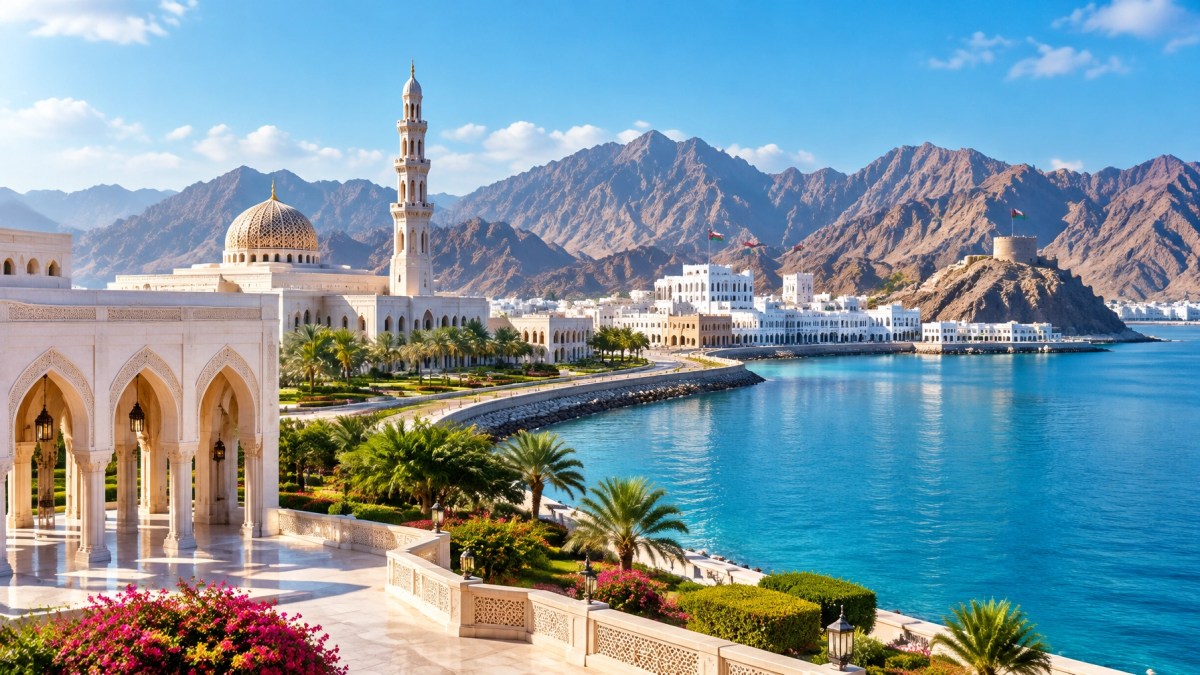
For the warmest and most distinctive March journey, look towards Muscat. Days are often around 29–31°C, with cooler evenings, clear skies and very little rain. Direct flights from London commonly take around 7 hours, although schedules vary.
Muscat combines white architecture, dramatic mountains, quiet coves, forts and desert landscapes. It suits couples, families and travellers seeking refined adventure without the intensity of a large resort destination. Dress conservatively at mosques and heritage sites, and remember that the first part of March may still fall within Ramadān. Book four to six months ahead, especially around Eid.
Egypt and the Red Sea
For a late-winter beach holiday, Egypt’s Red Sea coast remains one of March’s most reliable choices. Hurghada is often around 24–26°C by day, while Sharm el-Sheikh can feel slightly warmer. Flights from London commonly take around 6½ hours.
Expect bright resort days, turquoise water, desert mountains and cool-to-mild evenings. Choose a hotel with calm surroundings rather than the loudest entertainment strip: a restful base makes the sunshine feel even more luxurious. Sharm suits snorkellers and couples; Hurghada offers a broad choice for families and all-inclusive travellers. Book three to five months ahead, particularly for Easter-adjacent dates.
The Canary Islands
The Canaries offer dependable light rather than guaranteed heat. Southern Tenerife, Gran Canaria, Lanzarote and Fuerteventura commonly see daytime temperatures around 20–23°C in March, with low rainfall and longer sunny spells. Flight times from the UK are generally around 4–4½ hours.
This is an easy choice for families, solo travellers and anyone wanting a straightforward winter-sun break. The atmosphere is gentle: volcanic landscapes, ocean walks and hotels beginning to fill for spring. Book two to four months ahead, earlier for popular all-inclusive properties.
Jordan, Petra and Wadi Rum
Jordan is magnificent in March, but it is an adventure and cultural journey rather than a hot beach escape. Petra can reach around 18–20°C by day, while evenings may be cold. Wadi Rum is warm under the sun but surprisingly chilly after dark.
Flights to Amman from the UK are often around 5 hours, followed by road travel to Petra and Wadi Rum. This suits active travellers, families with older children and those drawn to ancient landscapes. Pack layers, cover shoulders and knees at religious sites, and book three to five months ahead for well-located heritage stays and desert camps.
Cyprus and the first Mediterranean warmth
Cyprus begins to feel distinctly springlike in March, with daytime temperatures often around 18–21°C. Sea swimming is not guaranteed, but archaeological sites, coastal walks and mountain villages are wonderfully comfortable to explore. Flights from London commonly take around 4½ hours.
Paphos suits a relaxed cultural break; Larnaca is useful for exploring the east. Choose a peaceful hotel near the coast rather than expecting peak summer energy. Book two to four months ahead.
🌸 Spring arrivals and cherry blossom
Across the Northern Hemisphere, nature begins to soften. Madeira and the Canaries fill with colour. Andalusia welcomes almond and orange blossom. The Greek islands emerge from their winter quiet, while the Turkish coast slowly reopens its terraces, marinas and coastal paths.
Japan is a different kind of March journey. Sakura typically begins to open in Tokyo and Kyoto towards late March, but the exact timing shifts each year with weather. Flexible dates matter, and a late-March stay extending into early April can offer a helpful cushion. Flights from London usually take around 13–14 hours, depending on the service and routing. Expect cool, changeable weather rather than beach heat, and book six months or more ahead for popular ryokan, rail journeys and central hotels.
Our own Japan tour inspiration offers a starting point for a beautifully paced cultural itinerary.
🧭 Why late March becomes a busy travel fortnight
The period around Eid and Nowruz creates a particularly full travel calendar across Asia and the Middle East. Families are travelling, communities are gathering, hotels are hosting festive meals and domestic transport demand rises.
That does not mean the experience must feel hectic. At Raheem Tours, we look for beautiful but never too lively places to stay: quiet courtyard riads, heritage properties, hotels away from the busiest resort strips and restful bases where you can return to stillness after a festival day.
Where available, we can also arrange upgraded transfers and private airport pickups, while our excellent, fast, effective and reliable service helps us respond when plans change. Even last-minute holiday requests can sometimes be handled successfully, although Eid and Nowruz travel should always be secured early. Spring-sun hotels in Egypt, Oman and the Canaries are already among the journeys worth considering ahead of time.
For tailored ideas, visit our destinations or contact Raheem Tours.
Travelling respectfully during religious and cultural periods
- During Ramadān, fasting hours shape the day. Some restaurants may open later, close during daylight or offer discreet dining areas.
- Avoid eating, drinking or smoking openly in places where local customs request discretion.
- Dress modestly at mosques, shrines, heritage sites and family gatherings.
- Ask before photographing prayer, food rituals, children or private celebrations.
- If invited to share iftar or an Eid meal, receive the gesture warmly without assuming it is expected.
- Check local opening hours, public holidays and transport arrangements shortly before departure.
- Always confirm religious dates and consult official travel advice before booking.
Travel during these periods can be richer rather than more difficult. You see how a destination gathers around faith, family, food and renewal, and you return with more than photographs.
Planning a March 2027 journey? Comment MARCH on our Instagram post and we’ll send the direct blog link to you by DM.
Timeless travel, whenever wherever.
