

Patagonia rewards those who give it time, and, at the edges of the season, room to breathe.
December to February brings the longest days and the broadest choice of open services to Torres del Paine. It also brings more trekkers, fuller refugios and famously powerful winds. For a quieter journey, consider October to November or March to April: spring light and newborn guanacos at one edge of the season, lenga forests turning copper and gold at the other.
These months aren’t a secret shortcut to perfect weather. Patagonia is changeable in every season, and shoulder-season snow can affect high trails and passes. But with flexible plans, thoughtful lodging and a little patience, you can find a different kind of luxury here: a still morning, a guide who knows where to pause, and the granite towers revealed when the clouds finally lift.
🍂 Why travel at the season’s edges?
October and November bring lengthening days, fresh growth, spring blooms and migratory birds returning to the southern landscapes. Nights are cold, and October can still bring snow at elevation. March and April offer gentler trail traffic, autumn colour in the lenga forests and, often, a calmer pace, though April can also bring snow on mountain passes and shorter days.
The weather can turn within hours, with sun, rain, snow and strong winds sharing the same day. Winds are often especially forceful in summer, but no month guarantees shelter. Build flexibility into your plans, check trail conditions daily and let the landscape set the pace.

🏔️ Torres del Paine, slowly and well
Torres del Paine is in Chile, where granite peaks rise above lakes, forests and broad Patagonian steppe. The signature moment is the hike to Mirador Base Torres: a steep, rocky climb that leads to the famous towers above a glacial lagoon. The official park guidance estimates around eight hours return and rates the walk medium to high difficulty. Good boots and trekking poles matter; it is a demanding day, not a casual stroll.
For a gentler introduction, explore the road-accessible viewpoints, the vivid waters of Lake Pehoé and the Salto Grande waterfall. Across the lake, Paine Grande’s dramatic massif rises over clear reflections. At Grey Lake, a catamaran brings you closer to the ice-blue face of Grey Glacier, where floating icebergs drift beneath the vast wall. Conditions and services vary by season, so check what is operating before you go.
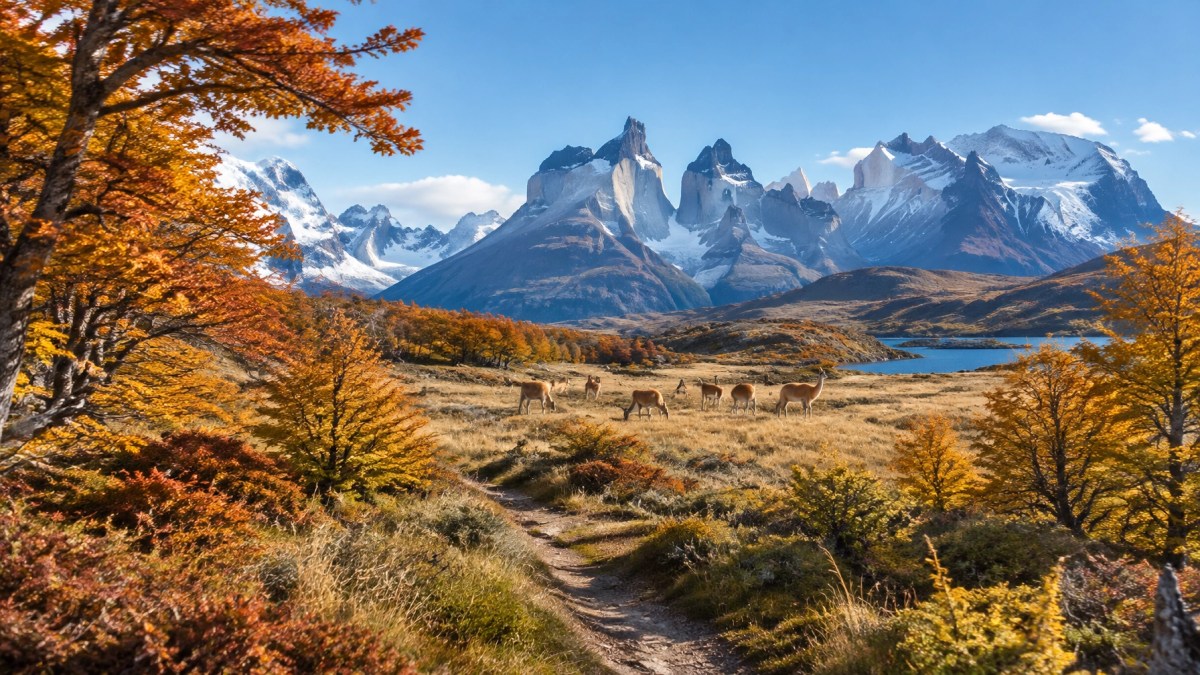
The French Valley is the W Circuit’s great mountain amphitheatre, with granite walls and hanging glaciers framing the trail. Across the steppe, guanacos graze in loose groups and condors ride the wind. Puma sightings are possible, but never assured; tracking with specialist guides is a genuine, often expensive niche, not something to build your whole itinerary around.
🥾 Choose your kind of trail
The W Circuit usually takes four to five days and links the Base Torres, French Valley and Grey Glacier areas. The O Circuit is a longer commitment, typically seven to nine days, circling the massif via John Gardner Pass and the far side of Grey Glacier. The pass is exposed, conditions can be severe, and closures may change the plan. Always follow current park instructions.
Prefer day walks and a comfortable bed each night? Base Torres, French Valley and Grey Glacier viewpoints can be planned as day hikes, depending on access, transport and seasonal operations. You don’t need to complete a multi-day circuit to feel the scale of the park.
Entry tickets must be purchased in advance through Pases Parques. For overnight W and O treks, book authorized refugios or campsites for every night in sequence as well as your entry ticket. Some sectors and routes operate with limits or restrictions, which can change with safety and conditions; check the official reservation guidance and the park’s current visitor recommendations before committing. In summer, popular W Circuit beds can be difficult to find if you leave it late.
🛎️ Where comfort becomes part of the journey
There’s a meaningful range of stays in and around the park. Explora Patagonia pairs an all-inclusive approach with its own guide programme; Tierra Patagonia offers a refined base for returning from the trails; and Hotel Las Torres sits close to the classic Base Torres route. Awasi Patagonia is especially compelling for photographers and non-hikers: its private guide-and-vehicle model lets you shape each day around the light, the weather and your energy.
That’s the quiet-luxury unlock. You can see the same towers without joining a trailhead at dawn. Pausing instead at a viewpoint when the light softens or the weather opens. For a more adventurous mid-tier stay, EcoCamp’s geodesic domes bring you close to the landscape; on the circuits, refugios offer a practical shared base for trekkers.
For inspiration and help planning a Patagonia holiday, explore Raheem Tours. The best fit depends on how you want to travel: long days on foot, scenic drives, or a considered blend of both.
🇦🇷 Add Argentina’s glacier country
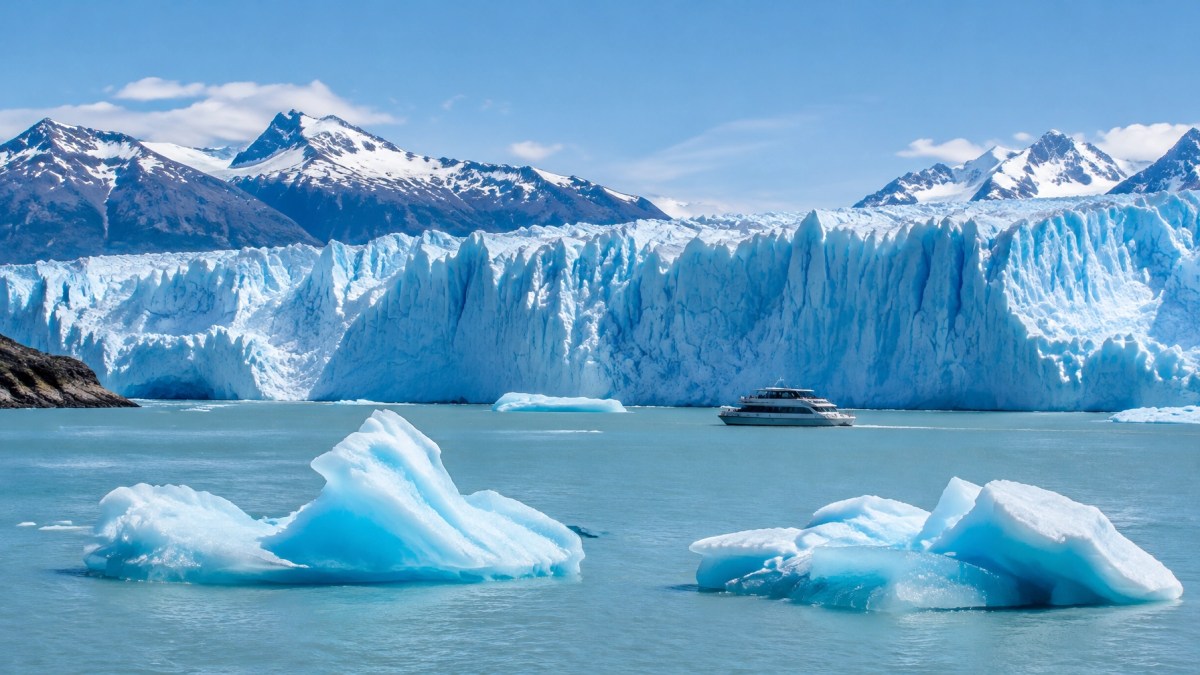
A wider Patagonian journey can continue across the border into Argentina, but it is a separate country, not another corner of the Chilean park. El Calafate is the gateway to Perito Moreno Glacier, where the public walkways offer remarkable views of the ice without a hike. Listen for the crack and thunder as a piece calves into the lake. Mini-trekking on the glacier itself is also available on selected excursions; book ahead and check the operator’s age and fitness limits.
From El Calafate, El Chaltén is Argentina’s trekking capital. The demanding Laguna de los Tres hike leads towards Fitz Roy, but the mountain often hides in cloud. Patience is part of the experience. Another night in town can make the difference between a glimpse and a clear view. Between the parks, consider an estancia stay: sheep-ranch traditions, gaucho culture and lamb cooked slowly over an open fire.
Further south, Puerto Natales makes a welcoming, working-town base beside Last Hope Sound, with Milodón Cave nearby. Punta Arenas adds the Magellan Strait’s layered maritime history and, seasonally, boat trips to penguin colonies at Magdalena Island: best known roughly from November to March, but always check current access. If you have time, continue to Tierra del Fuego and Ushuaia for a far-south finale.
🍷 The taste of the far south
Patagonian asado lamb, slow-roasted over an open fire, is a meal that seems to belong to the wide skies. In Punta Arenas, look for king crab; around El Calafate, try the local calafate berry and a calafate sour: the legend says that eating the berry guarantees your return.
Chilean Carménère and Argentine Malbec make a natural pairing with an evening by the fire. In Puerto Natales and El Chaltén, craft beers bring the day to a relaxed close. And on the Argentine side, you may find mate passed around in a quiet ritual of conversation and companionship.
🧭 A little planning, a lot more ease
From the UK, reaching the region usually means a long journey, often 20 hours or more, depending on connections. Routes commonly involve Santiago or Buenos Aires and onward flights to Punta Arenas or El Calafate. Allow a buffer day for connections and weather, and plan cross-border buses or flights carefully: check current border-crossing requirements, schedules and luggage arrangements for Chile and Argentina.
Carry layers, a windproof waterproof shell, warm mid-layers, sturdy trekking boots and poles. Add sun protection, even when it feels cold, UV can be strong at these southern latitudes. Keep some Chilean pesos and Argentine pesos available, and confirm which cards are accepted with each hotel and operator. Tipping practices vary; ask your guide or accommodation what is customary. Travel insurance should explicitly cover trekking, remote-area medical care and evacuation.
Respect the landscape that makes the journey extraordinary: stay on marked trails, pack out everything, keep a generous distance from wildlife and don’t fly drones in the park. Before you go, check official notices for trail access, weather and reservations. For Argentina’s Los Glaciares National Park, including current access information for Perito Moreno, consult the official park guidance.
Explora, Awasi and Tierra can book out months ahead for December to February, and W Circuit refugios need early attention when reservations open. Shoulder season can offer more flexibility, but the best lodges still reward planning. If you’re considering a later booking, we at Raheem Tours can check what remains available and help shape the journey around it.
Patagonia doesn’t need to be hurried. Give it an extra morning, a flexible trail day and space for the clouds to move, and you may find that the quietest view becomes the one you remember longest.
Timeless travel, whenever wherever.
Planning your own journey? Comment PATAGONIA on our Instagram post and we’ll send you the direct link to this guide by DM.
