

Chinamaxxing is being named among the travel trends to watch in 2027: the urge to choose a journey layered enough to feel like several holidays in one. Yet China is too vast and varied to be reduced to its headline cities. Beyond Beijing and Shanghai, you’ll find mountain villages, old canals, tea gardens and landscapes that seem to belong to another time.
This is a guide to a more unhurried side of China: one where the journey between places becomes part of the experience. With thoughtful pacing, beautiful but never too lively places to stay, and a little local guidance, you don’t just visit. You begin to understand what makes each region distinct.
🌿 Yunnan: a remarkable first encounter
Yunnan may be the single best introduction to China’s geographic and ethnic diversity. Begin in Kunming, the “spring city”, where the mild climate makes a gentle landing. Continue to Dali, with the mountains behind Erhai Lake and Bai villages along its shores; then on to Lijiang, whose UNESCO-listed old town offers a glimpse of Naxi culture and winding, stone-paved lanes.
For an adventure-travel chapter, the trails above Tiger Leaping Gorge bring you close to the scale of the landscape. Further north, Shangri-La sits at the edge of the Tibetan plateau, where altitude, architecture and mountain air change the mood again. To the south, the vast, sculpted Yuanyang rice terraces reveal a different Yunnan, especially atmospheric when water catches the early light.

The region feels expansive and culturally rich, not hurried. Spring and autumn are often the most comfortable months for a multi-stop journey; Kunming’s climate is mild for much of the year, while summer tends to bring more heat and rain in southern areas. Yuanyang’s reflective terraces are most associated with the cooler irrigation months, while late summer brings lush greenery. Seasonal conditions vary, so it’s worth choosing dates around the scenery you most want to see.
From the UK, expect to travel via a major Chinese gateway on a direct or one-stop route, then continue to Yunnan by domestic connection or rail where it suits. Flights to major Chinese cities are typically around 10–12 hours nonstop; total journey times depend on your route and onward connection. Savour Yunnanese flavours: wild mushrooms, rice noodles, fresh herbs and dishes with a gentle sour or chilli lift. It suits curious first-timers, photographers, walkers and travellers who want cultural depth with varied scenery. Look for courtyard guesthouses in Dali or Lijiang, or quieter boutique stays outside the busiest lanes. At Shangri-La, take time to acclimatise: the altitude is significant, so keep your first day gentle and seek medical advice if you feel unwell.
🛶 Guilin, Yangshuo and the Li River
The karst peaks of Guilin and Yangshuo are the China of the picture in your mind. Limestone spires rising from river bends, reflected in soft layers of mist. A Li River cruise from Guilin to Yangshuo turns that familiar image into a slow-moving panorama. Stay a little longer, though, and the quieter Yulong River offers bamboo rafts, riverside paths and cycling through villages and fields.
The Longji rice terraces make a rewarding detour, their contours changing with the season: reflective water, bright green growth or golden harvest fields. In Yangshuo, choose accommodation beyond the busiest streets, set out early, and explore the countryside by bike or on foot. The best month to travel for many visitors is in spring or autumn, when temperatures are generally more comfortable; spring can be rainy, while summer is hot, humid and wetter.

From the UK, Guilin is usually reached through a major gateway and onward connection; direct and one-stop routes vary by season. The food is lighter than in Sichuan, with rice noodles, river fish and fresh produce prominent. This region suits couples, families, photographers and anyone who wants striking scenery without turning every day into a trek. Consider a small riverside inn or a boutique stay set back from central Yangshuo. You still have the scenery close by, just with quieter evenings.
🏞️ Suzhou and Hangzhou: gardens, canals and tea
Suzhou makes an easy pairing with Shanghai, but the atmosphere is gentler: classical gardens, quiet canals, silk heritage and shaded lanes. Its gardens are carefully composed worlds of ponds, pavilions and scholar rocks: places to wander slowly, rather than rush through. Nearby Tongli and Zhouzhuang offer water-town views and old stone bridges; go early or stay overnight to experience their quieter edges.
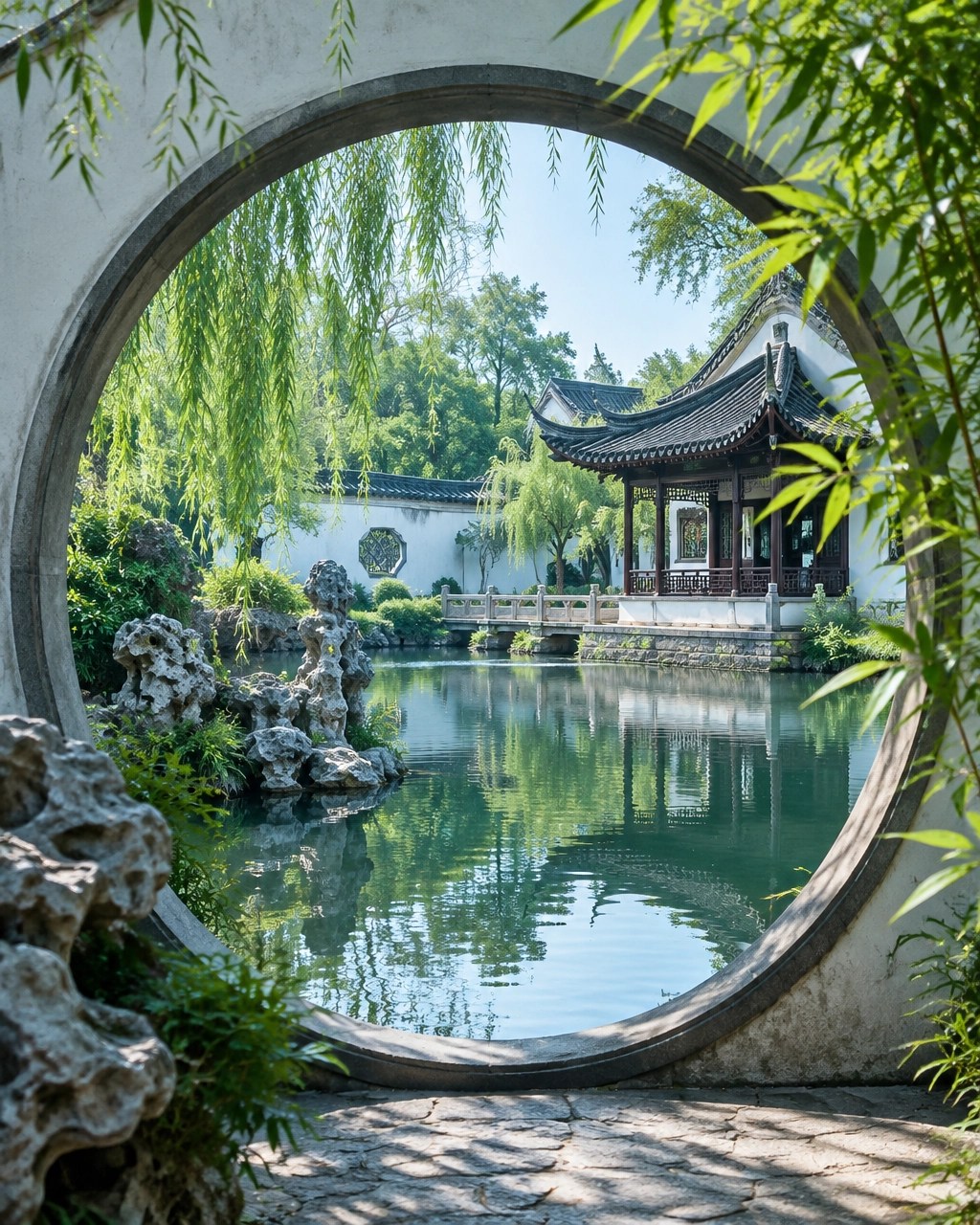
Continue to Hangzhou, where willow-lined causeways trace West Lake and the hills beyond are known for Longjing tea. Lingyin Temple adds a contemplative pause between lakeside walks and tea-country scenery. April–May and October–November are generally comfortable months for both cities; eastern China’s summer can be hot and humid, with periods of rain.
From the UK, reach these eastern cities via a major gateway; onward journeys are easy to arrange, including by high-speed rail. Suzhou’s menus lean towards delicate Jiangnan flavours, while Hangzhou is known for seasonal produce and tea. These places suit culture lovers, slower-paced city-break travellers and anyone who enjoys gardens as much as grand landmarks. Choose a courtyard guesthouse or garden hotel on a quieter lane rather than beside the busiest canalfront.
🐼 Chengdu and Sichuan: wildlife, teahouses and bold flavours
In Chengdu, a morning at the panda research base can sit alongside an afternoon in a teahouse, where conversation and cups of tea stretch unhurriedly into the day. Add Leshan’s Giant Buddha for a cultural landmark on a monumental scale.
Sichuan food is aromatic and full of character: think chilli, peppercorn, fragrant broths and shared hotpot. Spring and autumn are usually pleasant times to explore, though Chengdu’s basin climate can feel humid and skies are often cloudy. UK travellers generally reach Chengdu via a major gateway on a direct or one-stop route, depending on available schedules. The city suits food lovers, families and wildlife-focused travellers; a peaceful courtyard stay or contemporary boutique hotel away from the busiest streets makes a welcome retreat.
At wildlife sites, follow local guidance, keep your distance and never feed or try to touch animals. Quiet observation is part of travelling responsibly.
🚄 Let first-class rail change the rhythm
China’s high-speed rail network can make a multi-city holiday feel surprisingly seamless. Consider Shanghai to Suzhou, Suzhou to Hangzhou, Guilin to Guangzhou, or Kunming to Dali: routes where the train can replace a long airport transfer and give you space to watch the landscape change.
First-class seats can add comfort on longer journeys, but rail transforms more than the transport. You arrive in the heart of a city, keep your day moving at a human pace, and experience the distance between regions rather than simply crossing it. For longer stretches, compare rail and domestic flights before committing.
Rail tickets are linked to passport details and booking windows can change. Check current availability and rules with the official China Railway ticketing service, and plan around peak spring and autumn travel periods. For a cross-country itinerary, a little flexibility between connections is worth more than an over-tight schedule.
🧭 Before you go: useful details, thoughtfully handled
Entry arrangements for UK travellers can change. Check the latest GOV.UK China entry requirements and official Chinese guidance before you book; eligibility depends on your passport and purpose of travel. Raheem Tours can support you with visa guidance, stays, rail and transfers, while official sources remain the place to confirm the rules that apply to you.
Set up connectivity and payment options before departure. Install and register the payment apps you plan to use, such as Alipay or WeChat Pay, and check that your UK card and mobile authentication work abroad. A small cash reserve and a backup payment card are sensible. Download maps and translation tools in advance, too. A local guide can turn language barriers into a richer experience: sharing context, translating small exchanges and helping you notice details you might otherwise pass by.
Tipping is not generally expected in everyday situations, though practices can vary. At temples and minority-community sites, dress respectfully, follow signs and local guidance, and ask before photographing people. These small courtesies help keep a visit meaningful for everyone.
✨ Make room for the unexpected
A multi-region China itinerary takes real planning. The best boutique courtyard stays and popular rail seats can sell out in peak spring and autumn, while group tours are limited in size. That said, availability changes: Raheem Tours is known for excellent, fast, effective and reliable service, and we can sometimes help make last-minute holiday bookings work. We look for beautiful hotel locations that aren’t too lively, include amazing food options where available, and sometimes arrange upgraded transfers.
Our EPIC Trail of South East Asia reflects the layered approach we bring to complex journeys: thoughtful connections, time to settle in, and space for discovery. If China is on your bucket list, tell us what draws you most (mountains, food, gardens or river landscapes) and we’ll help you shape a route that feels like yours.
Timeless travel, whenever wherever.
Planning your trip from Instagram? Comment “CHINA” and we’ll DM you the direct link to this guide.
