

Everyone knows Hvar. Everyone photographs Dubrovnik. But beyond the famous names, Croatia keeps a quieter secret: islands where pine forests reach the water, fishing villages still close early, and the Adriatic feels almost impossibly clear.
This is undertourism on the water. A slower, more beautiful way to experience Europe.
From Mljet’s saltwater lakes to Lastovo’s remote stone villages, and the peaceful Elaphiti Islands just beyond Dubrovnik, these are places for swimming before breakfast, long lunches in family-run konobas, and evenings when the loudest sound is the sea.
Timeless travel, whenever wherever.
🌿 Mljet: Croatia’s greenest island

Dense pine forest, hidden coves and two shimmering saltwater lakes make Mljet the most naturally immersive island in southern Dalmatia. Much of the island’s western end forms Mljet National Park, where the landscape feels more like a private nature reserve than a conventional beach destination.
At its heart lie Veliko Jezero and Malo Jezero, two interconnected lakes framed by walking and cycling trails. Paddle across calm water, swim from the rocky edges, or follow the shaded paths beneath Aleppo pines.
In the centre of Veliko Jezero sits the tiny island of St Mary, home to a Benedictine monastery dating back to the 12th century. A small park boat carries you across, although reaching it by kayak gives the visit a more intimate rhythm: turquoise water, birdsong and the monastery appearing between the trees.
Pomena and Polače are the island’s gentle bases. There is no rush here. Boats arrive, guests wander towards the water, and the evening settles over small restaurants serving grilled fish, black risotto, local olive oil and Mljet’s distinctive goat cheese.
How to reach Mljet
- Dubrovnik to Sobra: usually around 1 hour to 1 hour 20 minutes by seasonal catamaran.
- Dubrovnik to Pomena: approximately 1 hour 30 minutes by fast catamaran when services operate.
- Dubrovnik to Polače: around 1 hour 50 minutes, depending on the sailing.
- Prapratno on the Pelješac Peninsula to Sobra: around 45 minutes by Jadrolinija car ferry.
- Split to Mljet: summer catamarans may travel via Hvar and Korčula, often taking several hours depending on the route and stops.
Always check the latest Jadrolinija timetable and seasonal services from TP-Line or Krilo before travelling, particularly for summer 2027.
Where to stay, and who Mljet suits
Choose a seafront room in Pomena, a small guesthouse near the park, or a restored stone house in Polače. These stays are simple rather than conventionally luxurious, and that is precisely their appeal.
Mljet suits couples, walkers, families with older children, cyclists, kayakers and photographers. It is also one of our favourite choices when you want a beautiful hotel location that never feels too lively.
🕯️ Lastovo: the island that makes you slow down

Lastovo is Croatia’s most remote inhabited island, and getting there takes commitment. The journey is not a flaw in the experience. It is the filter.
There are no quick day trips from Dubrovnik, no constant flow of excursion boats and no glossy resort strip. Instead, you find an amphitheatre-shaped historic town tucked into green hills, traditional stone houses, quiet lanes and a skyline of distinctive chimneys.
Lastovo is known as the island of 46: 46 churches, 46 fields and the many islands and islets of the surrounding archipelago. The Lastovo Archipelago Nature Park protects a world of clear bays, rugged cliffs, underwater life and dark skies that are among the clearest in Croatia.
Walk between old chapels, climb towards viewpoints over the Adriatic, or take a boat into the archipelago. The island rewards curiosity rather than schedules.
Its most famous tradition is Poklad, a highly ritualised carnival held before Lent. If your dates align, it offers a vivid glimpse into local identity and history; if not, Lastovo remains compelling in its quieter, everyday form.
How to reach Lastovo
- Dubrovnik to Ubli: approximately 3 hours 30 minutes to 4 hours by fast passenger service, depending on the route.
- Split to Ubli: around 3 hours by speedboat service or about 5 hours by conventional ferry, often via Vela Luka on Korčula.
- Mljet to Lastovo: services may connect Polače or Sobra with Ubli, with journey times varying by sailing.
Connections are more limited than for Mljet or the Elaphiti Islands. That is why Lastovo works best as a three- or four-night stay, not an ambitious day trip. Consult the Lastovo Tourist Board’s travel information and the Lastovo Nature Park before booking.
Where to stay, and who Lastovo suits
Base yourself in or near Lastovo town, Zaklopatica or Pasadur. Expect family-run rooms, small apartments, stone houses and unhurried restaurants rather than polished resort facilities.
Lastovo suits solo travellers, couples, walkers, sailors, divers and photographers, especially those who value authenticity over convenience. Come here when you want Croatia beyond the postcards.
🏝️ The Elaphiti Islands: Dubrovnik’s quieter extension
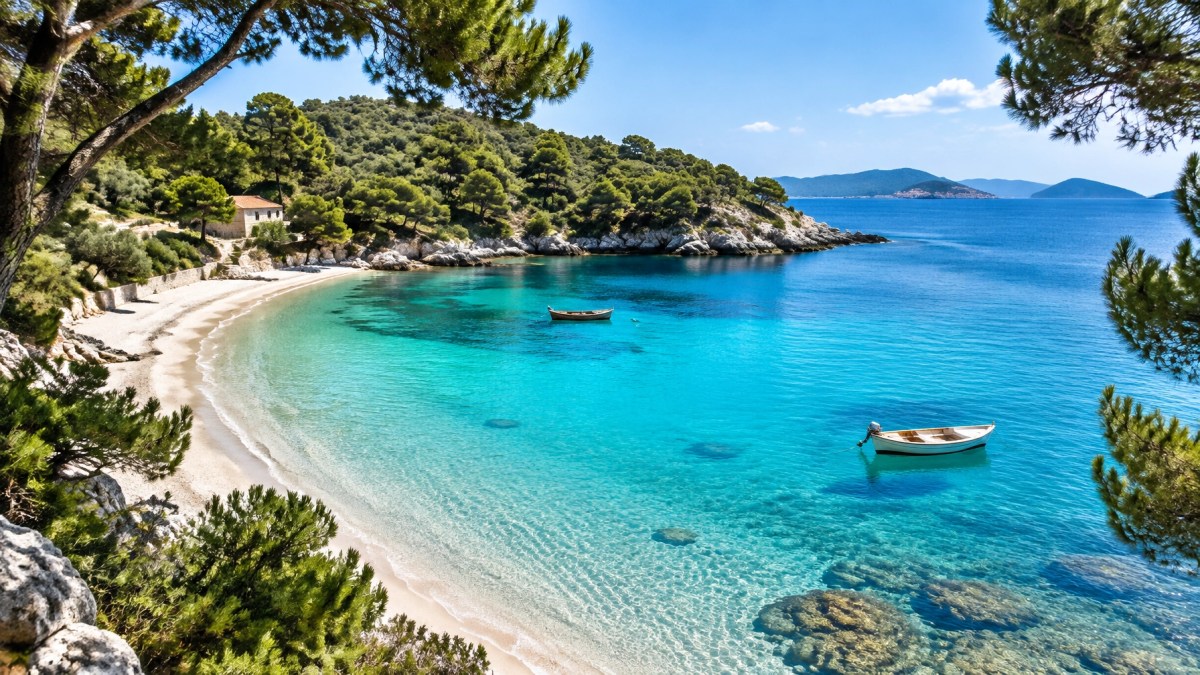
Just offshore from Dubrovnik, Koločep, Lopud and Šipan are often introduced as a day trip. Stay longer, however, and the mood changes completely.
The crowds leave. The paths empty. A quick excursion becomes a two-night island pause.
Koločep: car-free and deeply tranquil
The closest of the three, Koločep combines pine forest, turquoise coves and coastal paths with a distinctly quiet village atmosphere. There are no cars, so you move on foot or by small boat.
It is ideal for couples, solo travellers and anyone wanting a gentle first step into island life without being far from Dubrovnik.
Lopud: Šunj beach and slow afternoons
On car-free Lopud, walk across the island to Šunj, a long sandy beach backed by pine trees and shallow, luminous water. The walk takes roughly 15–25 minutes, or you can use a small local boat.
Lopud is the most developed of the three, but away from the main arrival points it remains beautifully relaxed. Choose a seafront room, swim before the day-trippers arrive, and linger over fresh fish as the light softens.
Lopud suits families, couples and beach lovers who want comfort without a large resort atmosphere.
Šipan: vineyards, olive groves and old Dubrovnik villas
The largest Elaphiti island, Šipan has a more agricultural character. A valley links Suđurađ and Šipanska Luka, passing vineyards, olive groves, citrus trees and old stone villas once used by Dubrovnik’s nobility.
This is the island for long lunches, cycling and gentle exploration. It suits food lovers, walkers, families and travellers seeking a quiet two-night stay.
How to reach the Elaphiti Islands
Local ferries leave from Dubrovnik’s Gruž port:
- Koločep: around 20–30 minutes.
- Lopud: approximately 35–50 minutes.
- Šipan: around 1 hour 15 minutes to 1 hour 30 minutes.
Services are more frequent in July and August, while May, June and September offer a calmer experience with enough sailings for a carefully planned stay. Check the current Dubrovnik boat route information before travelling.
⛵ Two more quiet options: Silba and Kornati
For an even more understated island escape, consider Silba, north of Zadar. It is car-free, low-rise and known for pine paths, clear swimming spots and a peaceful village rhythm. Silba suits travellers who want to read, walk and disappear for a few days.
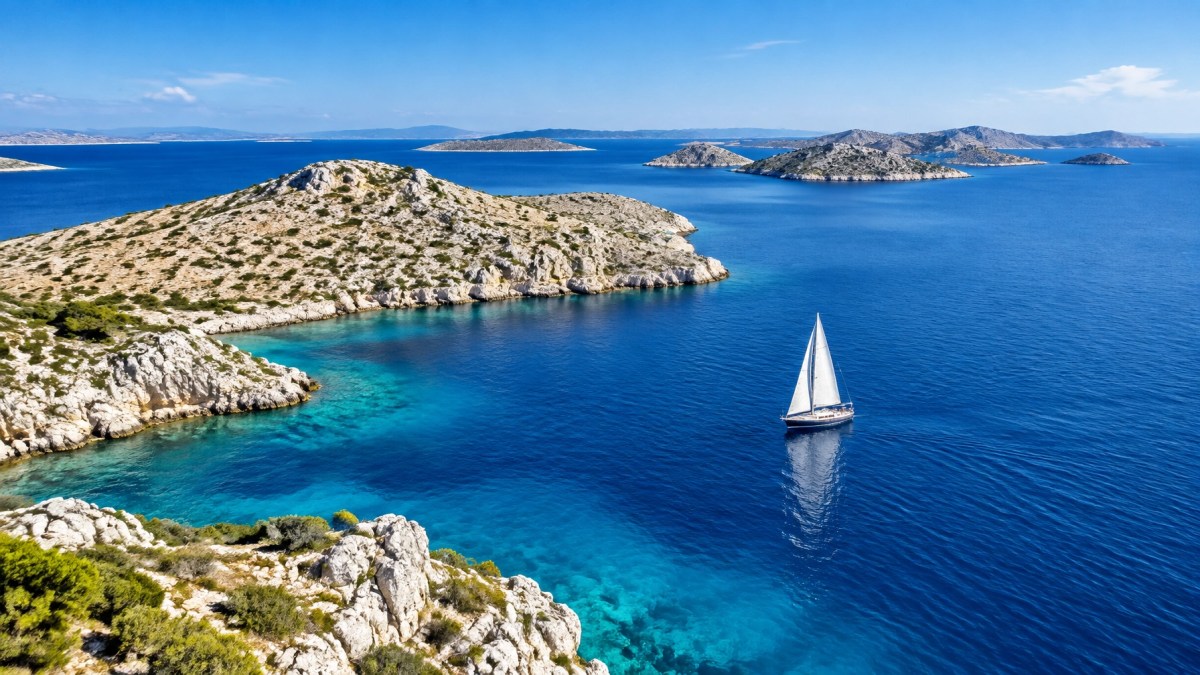
For sailors, the Kornati archipelago is a different kind of beauty: stark white limestone, deep blue water and hundreds of islands and islets shaped by wind and salt. The landscape is almost lunar. Base yourself on the mainland or charter from marinas around Zadar and Murter, then let the weather decide the day.
☀️ The best month to travel
The sweet spot is May, June and September.
May is green, fresh and wonderful for walking, although the sea may feel cooler at around 18–20°C. By June, water temperatures generally reach 22–24°C, while September can hold around 23–24°C: warm enough for long swims, with far fewer boats and visitors.
July and August bring the fullest ferry schedules, hottest days and busiest beaches. They can still be beautiful, but the small guesthouses and seafront rooms fill quickly, and the islands feel less private.
For most travellers, September offers the finest balance: warm water, soft evening light, open restaurants and a more spacious Adriatic.
🧳 Practical advice for island-hopping
Choose fewer stops. Mljet for three nights and Lastovo for three or four will feel more rewarding than collecting five islands in five days. Island life is about staying long enough for the rhythm to change.
You usually do not need a car. On Mljet, local transfers and bicycles are more useful. Koločep and Lopud are car-free, while Šipan is easy to explore without hiring a vehicle. Lastovo has roads, but a taxi or locally arranged transfer is often simpler.
Book ferries and luggage carefully. In peak season, arrive early at the port, allow extra time for boarding and check whether your service accepts large luggage in the cabin. Passenger catamarans can have limited space, and seasonal timetables may change.
Pair a quiet island with a city. Three nights in Dubrovnik or Split alongside four nights on Mljet, Lastovo or Šipan gives you culture, restaurants and historic streets, then the restorative quiet of the sea.
Our team can arrange the details with fast, effective and reliable service, including upgraded transfers where available, carefully chosen accommodation and food options that reflect the destination rather than interrupt it.
When to book your Croatian island escape
The small guesthouses, boutique stone houses and seafront rooms on these islands are limited by design. For summer 2027, the most beautiful and peaceful locations will go early: particularly in Pomena, Lopud, Šipan and Lastovo.
That said, our service is built for flexibility. If you are planning late, we can still handle last-minute holiday requests successfully, searching beyond the obvious properties to find a serene base in the right location.
Explore our Croatia and Europe destination ideas or discover more inspiration through our guide to Europe’s undiscovered coastlines.
The quiet side of Croatia is not difficult to find. It simply asks you to travel more slowly.
Timeless travel, whenever wherever.
Planning an island escape? Comment “ISLAND” on our Instagram post and we’ll send the direct blog link to your DMs.
