

Timeless travel, whenever wherever.
Europe’s most memorable city breaks are not always the famous ones.
Sometimes, meaningful travel begins where the tour buses thin out: beside a calm river in Ljubljana, beneath Ghent’s medieval guild houses, or beneath Bologna’s endless porticoes. These are cities with culture, character and exceptional food, yet enough breathing room to let you experience them properly.
For this undertourism edit, we have chosen six European hidden gems that work beautifully for short breaks. You will find walkable centres, atmospheric hotels, local flavours and quieter corners that reward curiosity.
Think of them as alternatives to the obvious capitals: beautifully guided, easy to reach and rich in first-hand local perspective.
The quiet-city comparison
| City | Best for | Ideal length | Best month to travel | Quiet-luxury appeal |
|---|---|---|---|---|
| Ljubljana | Couples, families, nature lovers | 2–3 nights | September | Riverside boutique stays and easy Lake Bled extensions |
| Ghent | Culture seekers, solo travellers | 1–2 nights | May | Historic canal views without Bruges-level crowds |
| Bologna | Food lovers, couples | 2 nights | May or October | Refined food-led stays in elegant palazzi |
| Porto | Couples, first-time explorers | 2–3 nights | May or September | Gaia wine lodges and river-view hotels |
| Tallinn | Culture seekers, solo travellers | 2 nights | June or September | Medieval atmosphere with polished Nordic design |
| Girona | Food lovers, families, couples | 1–2 nights | October | Boutique hotels, Catalan dining and slower evenings |
1. Ljubljana, Slovenia: the graceful green capital
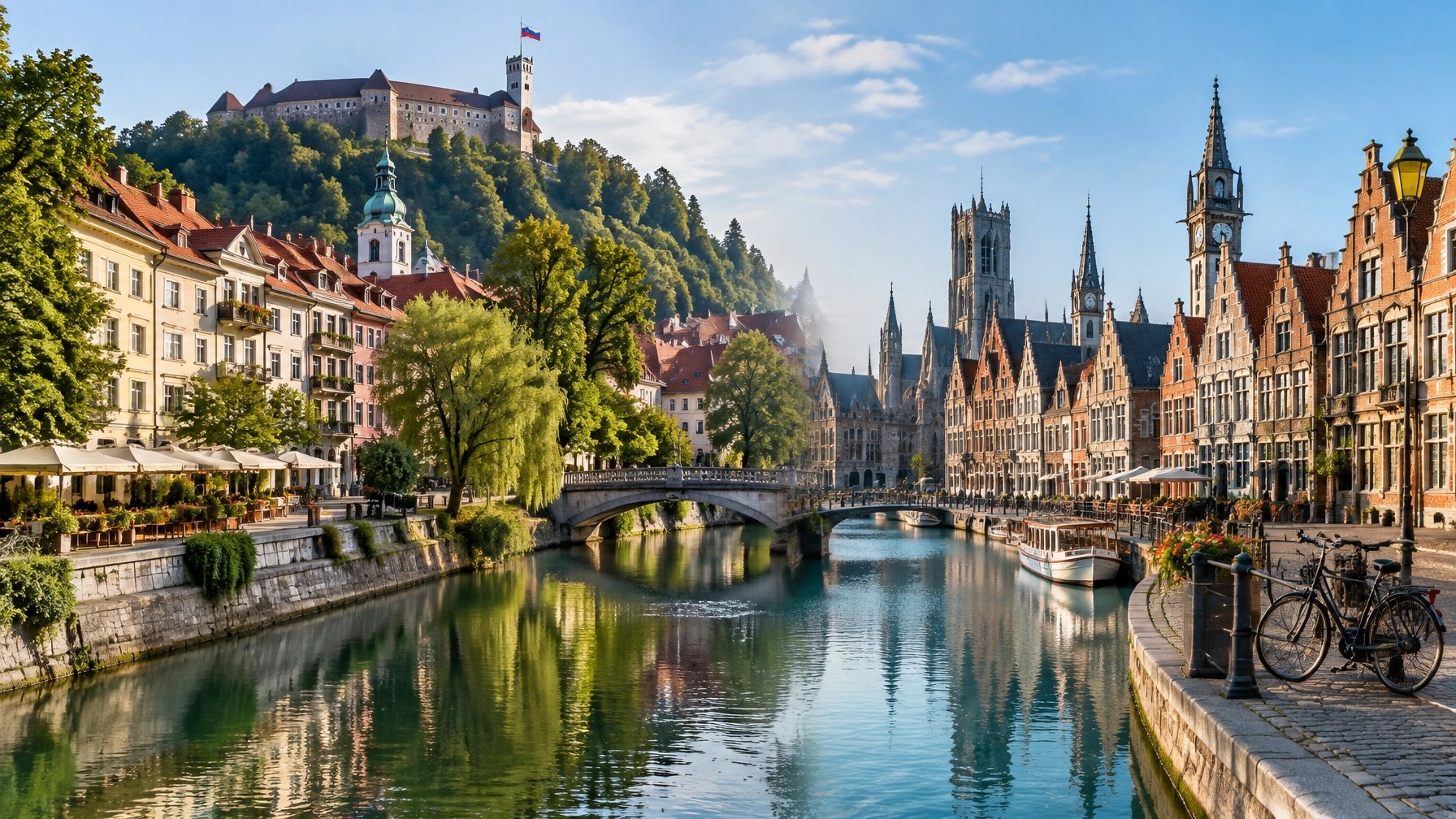
Atmosphere: Calm, green and effortlessly elegant.
Ljubljana feels like a capital designed for wandering rather than rushing. The Ljubljanica River curves through the centre, lined with café terraces, leafy promenades and pastel façades, while Ljubljana Castle watches from above.
You can walk from the Central Market to the Triple Bridge, browse independent galleries, then settle beneath the trees with a long lunch. The city is compact, clean and welcoming. Ideal when you want culture without the capital-city intensity.
Things to do: Explore the riverside, climb to the castle, visit the Central Market and take a gentle day trip to Lake Bled or the Slovenian wine country.
Food: Expect modern Slovenian cooking, seasonal produce, štruklji dumplings, honey, excellent pastries and a growing natural-wine scene.
Best month to travel: September brings warm days, softer light and fewer summer crowds. Late May and early June are also wonderful. January is the quietest choice, although colder and darker.
From the UK: Direct flights to Ljubljana are available from some UK airports, often seasonally. Connecting through a nearby European hub is also practical. For a short break, staying in Ljubljana rather than moving between several Slovenian regions keeps the experience relaxed.
Where to stay: Choose the Old Town, riverside or the area around Tivoli Park. Look for a small design hotel or elegant guesthouse rather than a large property on the edge of town.
Who it suits: Couples, families, solo travellers and anyone who wants an easy city break with nature close at hand.
Why choose it over a capital: You receive the charm of a European capital in a beautifully manageable format, with mountains, forests and lakes never far away.
2. Ghent, Belgium: medieval beauty with a local pulse
Ghent has all the visual drama of Bruges, but its atmosphere feels more lived-in. Student life, independent restaurants and creative neighbourhoods give the city a warm, everyday energy.
Along Graslei and Korenlei, medieval guild houses rise above the canal. Beyond the postcard views, you will find design shops, contemporary art, quiet courtyards and streets where locals gather after work.
Things to do: Visit Gravensteen Castle, admire the Adoration of the Mystic Lamb, take an evening canal walk and explore the Patershol district.
Food: Belgian classics appear with a modern touch, stoofvlees, crisp fries, local beer, chocolate and vegetarian dishes that reflect Ghent’s progressive food culture.
Best month to travel: May offers long days and comfortable temperatures. September and October are also excellent. Avoid the busiest period of the Ghent Festival in July if your priority is quiet.
From the UK: Ghent is especially easy by Eurostar to Brussels, followed by a direct train of roughly 30–40 minutes. Flights to Brussels also make the city straightforward for a short break.
Where to stay: Base yourself near the historic centre, Graslei or the quieter streets around Prinsenhof. A canal-facing boutique hotel gives you atmosphere without requiring a busy resort setting.
Who it suits: Culture seekers, solo travellers, couples and families who enjoy walkable cities with plenty to discover indoors and outdoors.
Why choose it over Bruges: Ghent offers similar architectural beauty, but with a more contemporary rhythm and fewer concentrated day-trip crowds.
3. Bologna, Italy: Italy’s deliciously understated city
Bologna is for travellers who believe food is culture.
Under its terracotta porticoes, you can move from a lively market to a quiet osteria, then follow the city’s red-brick streets towards the Two Towers. The university gives Bologna an intelligent, youthful character, while the historic centre remains wonderfully atmospheric.
Things to do: Wander through Quadrilatero market, visit Piazza Maggiore, explore the university quarter and climb, or admire, the city’s historic towers. For a deeper experience, join a market visit or pasta-making class.
Food: This is the home of tagliatelle al ragù, tortellini, mortadella and extraordinary fresh pasta. Eat slowly. The best discoveries often happen in small trattorias away from the main square.
Best month to travel: May and October offer a comfortable balance of weather, open restaurants and lighter visitor numbers. Avoid the hottest weeks of summer, when the city can feel still and some businesses close.
From the UK: Bologna has direct flights from London and other UK airports, depending on the season and airline. It is also well connected by train to Florence, Milan and Venice if you are extending your Italian journey.
Where to stay: Look around the historic centre, Santo Stefano or the quieter lanes near the university. An elegant palazzo-style hotel can make a short stay feel particularly special.
Who it suits: Food lovers, couples, solo travellers and culture seekers.
Why choose it over Rome or Florence: Bologna offers an equally authentic Italian atmosphere, but without spending your day navigating enormous crowds between major landmarks.
4. Porto, Portugal: Atlantic character in blue and gold
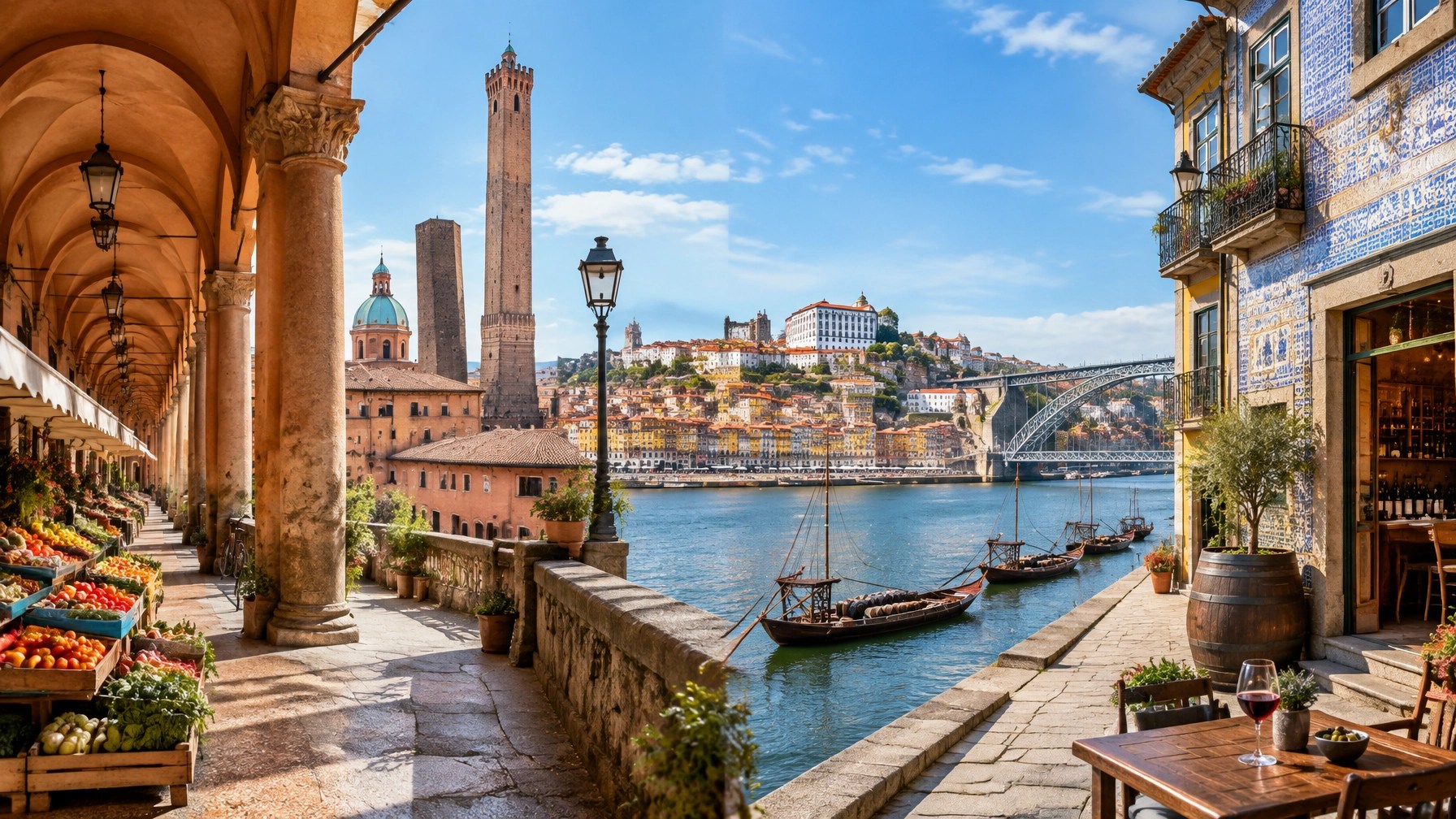
Porto is atmospheric from the moment you see the Douro glinting below the city. Tiled façades, steep lanes, iron balconies and old wine lodges create a sense of beautiful imperfection. The kind that rewards unhurried exploration.
The city is compact but textured. You can spend a morning among tiled churches, an afternoon tasting port in Vila Nova de Gaia and an evening watching the light change across the river.
Things to do: Visit São Bento station, explore the Ribeira, cross the Dom Luís I Bridge and take a cellar tour in Gaia. A short river cruise or coastal walk adds another layer.
Food: Try grilled fish, caldo verde, bifanas, pastel de nata and local port. The city’s restaurants range from traditional taverns to inventive kitchens with Atlantic ingredients.
Best month to travel: May and September are excellent for warm weather without the height of summer crowds. October can be wonderfully atmospheric, although Atlantic rain is more likely.
From the UK: Porto is one of the easiest choices for a spontaneous European city break, with regular direct flights from London and several regional airports.
Where to stay: Choose the historic centre for walkability or Vila Nova de Gaia for river views, wine lodges and a slightly calmer evening atmosphere.
Who it suits: Couples, first-time city breakers, food lovers and travellers who enjoy characterful hotels.
Why choose it over Lisbon: Porto feels more intimate and concentrated, with a strong sense of place around the river, wine and Atlantic landscape.
5. Tallinn, Estonia: medieval streets with a Nordic sensibility
Tallinn combines a beautifully preserved medieval centre with a clean-lined, creative modern culture. One moment you are walking beneath ancient towers; the next, you are in Kalamaja among wooden houses, cafés and design studios.
The Old Town is enchanting, but the city becomes more interesting when you step beyond it. Look for local food, contemporary museums and neighbourhood bakeries rather than rushing from viewpoint to viewpoint.
Things to do: Explore the Old Town walls, visit the Kumu Art Museum, wander through Kalamaja and enjoy the views from Toompea.
Food: Estonian cuisine brings together rye bread, smoked fish, berries, mushrooms and seasonal produce. Modern restaurants interpret these ingredients with quiet precision.
Best month to travel: June gives you long, luminous evenings. September is calmer and atmospheric. Winter is deeply peaceful, but cold, with very short daylight.
From the UK: Direct flights are available from some UK airports, with routes varying by season. Connections via Helsinki are another practical option.
Where to stay: The Old Town suits first-time visitors, while Kalamaja offers a more local, design-led atmosphere. Choose a refined boutique hotel rather than a large cruise-oriented property.
Who it suits: Solo travellers, couples, culture seekers and anyone drawn to architecture, design and history.
Why choose it over Prague: Tallinn delivers medieval beauty in a smaller, quieter setting, with a distinctly northern character.
6. Girona, Spain: Catalan history beyond Barcelona
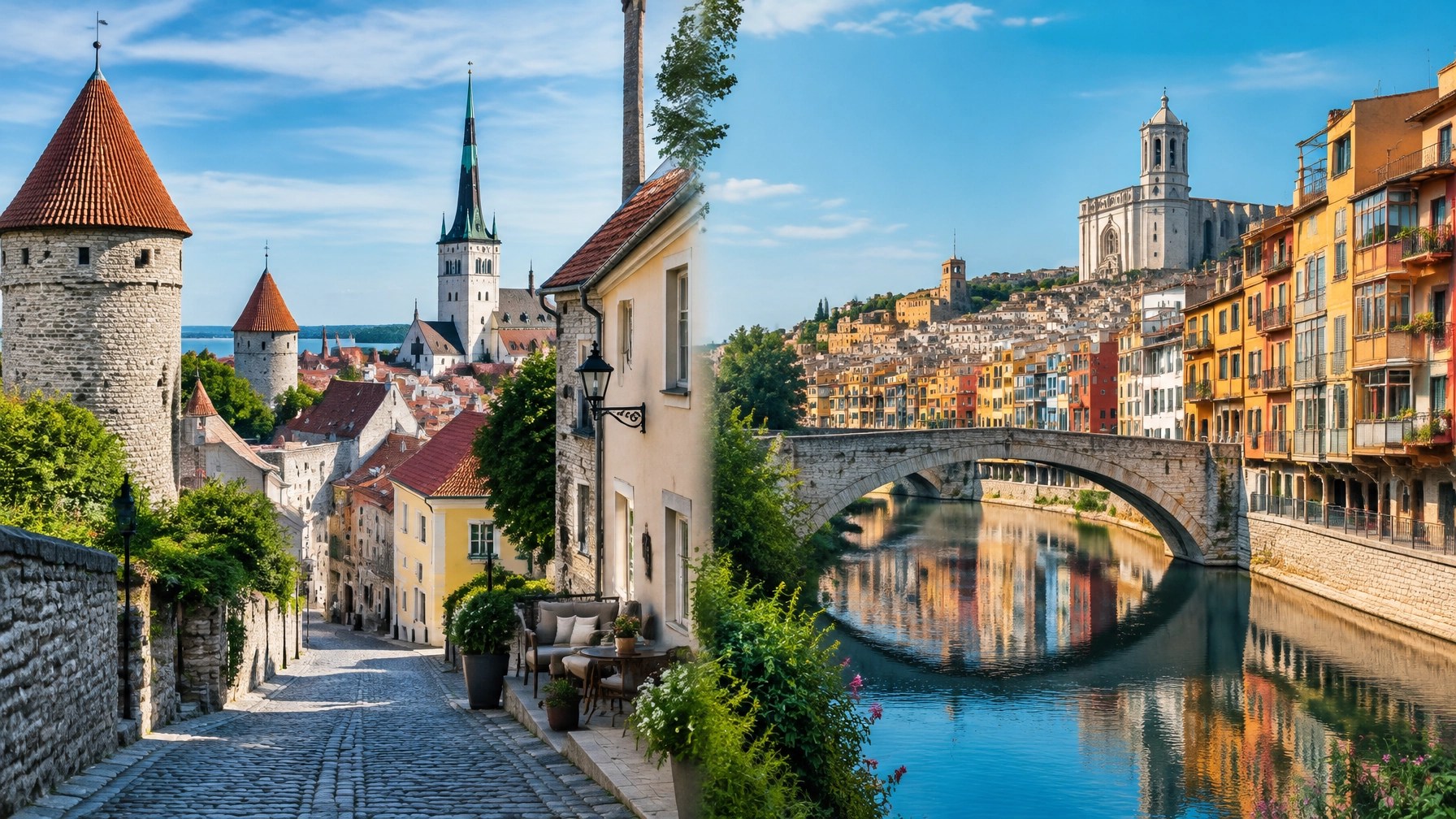
Girona is the city to choose when you want Catalonia’s culture without Barcelona’s scale.
Its old quarter rises in warm stone, with ancient walls, narrow lanes and hidden courtyards. Along the Onyar River, colourful houses create one of Spain’s most recognisable views, yet the city still feels intimate enough for slow mornings and long dinners.
Things to do: Walk the medieval walls, explore the Jewish Quarter, visit Girona Cathedral and cycle or travel into the surrounding countryside. Food lovers can also build a short break around Catalan dining.
Food: Expect pa amb tomàquet, local charcuterie, seafood, seasonal vegetables and exceptional tasting menus. Girona is an ideal base for discovering the region’s culinary imagination.
Best month to travel: October brings softer temperatures and a more local rhythm. April, May and September are also rewarding, outside Easter and peak summer.
From the UK: Seasonal flights may serve Girona Airport from UK cities. Alternatively, fly to Barcelona and take a high-speed train to Girona, usually around 40 minutes.
Where to stay: Stay inside or just beside the Barri Vell for historic atmosphere and easy evening walks. A small boutique hotel with a courtyard is far more fitting than a large resort.
Who it suits: Couples, food lovers, families and culture seekers.
Why choose it over Barcelona: Girona gives you Catalan history, cuisine and architecture in a gentler, more personal setting.
How to make a quiet city break even better
Choose shoulder season (particularly May, June, September or October) when the weather remains inviting and the major sights feel more spacious.
Arrive on a Monday, Tuesday or Wednesday where possible. Midweek stays usually bring better hotel availability, quieter restaurants and a more local pace.
Keep your itinerary intentionally light. One meaningful museum, one excellent meal and one unplanned walk can stay with you longer than a packed list of attractions.
Our team at Raheem Tours can help you shape the details, from carefully chosen hotels in beautiful but never too lively locations to fast last-minute bookings and upgraded transfers where available. Explore our destination guides or discover more ideas through the Raheem Tours blog.
For inspiration and booking support, speak with us about your preferred dates, airport and travel style. We will help you find the right city, not simply the most obvious one.
You don’t just visit Europe’s quieter cities. You live them, one riverside walk, market lunch and lantern-lit evening at a time.
Timeless travel, whenever wherever.
📩 Instagram readers: Comment QUIETEUROPE and we’ll send the direct blog link to your DMs.


