

The next generation of wellness travel is stepping outside: into forests, cold water, mountain paths and the deep restorative rhythm of a properly rested night.
Wellness travel in 2027 is moving away from marble spas and endless treatment menus. The retreats gaining attention are more elemental: shinrin-yoku beneath the trees, sea swimming before breakfast, long valley walks, sauna and cold plunge circuits, and rooms designed for genuinely good sleep.
This is not about doing more. It is about choosing the right setting, moving through it slowly, eating beautifully, and allowing the outdoors to shape the days.
From the Black Forest and Slovenian woodlands to Cornwall’s coves, Madeira’s levadas and Finland’s lakes, we are curating nature-first escapes for travellers who want to feel restored rather than entertained.
🌲 Forest bathing: the woodland reset
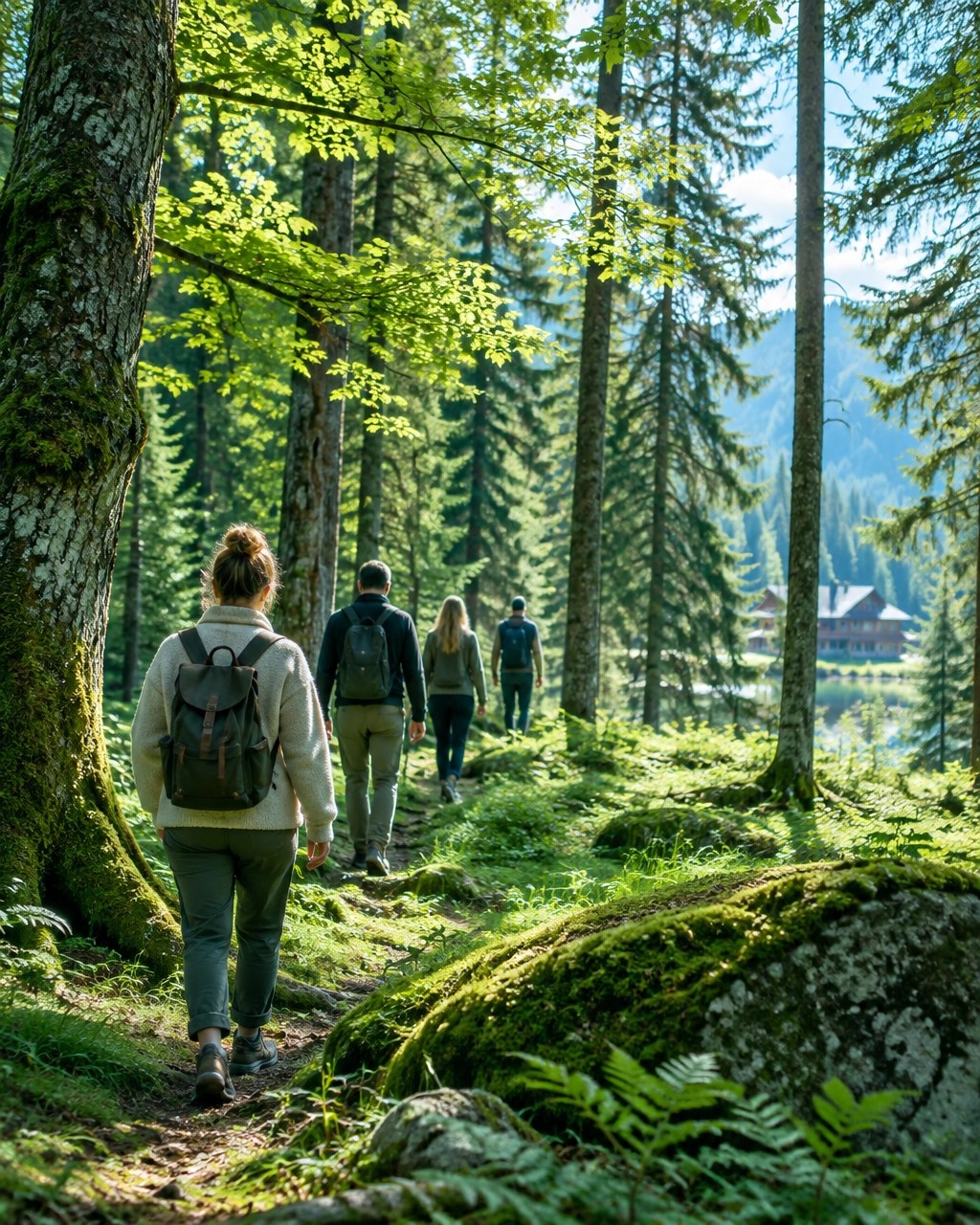
Forest bathing, or shinrin-yoku, is often misunderstood as a long hike. It is not. You do not need to reach a summit or count your steps.
Instead, a guide leads you slowly through woodland, with pauses to notice birdsong, resin, bark, moss, changing light and the texture of the ground beneath your feet. There may be breathing exercises, gentle movement, a seated “sit spot” and tea at the end. The emphasis is sensory immersion rather than distance.
Research into forest bathing has explored how time among trees may influence perceived stress, concentration and relaxation. More importantly, many travellers describe the experience in simple terms: their breathing slows, their attention widens and the mind feels less crowded. The National Trust’s forest-bathing guide is a useful introduction.
Where to go
- The Black Forest, Germany: spruce valleys, thermal towns and beautifully placed forest hotels. Choose a property near walking trails rather than a large resort in a busy spa centre.
- The Austrian and Bavarian Alps: larch forests, mountain air and well-marked paths, with the option of a gentle day outdoors followed by a refined dinner.
- Slovenia: the forests around Lake Bohinj, the Soča Valley and the edges of Triglav National Park offer a more understated alpine experience, green, uncrowded and deeply scenic.
- Sweden: pine forest, lakeside cabins and long summer light. The best stays combine guided nature walks with sauna, local produce and plenty of unprogrammed time.
A typical day might begin with coffee and a short walk before breakfast, followed by a two-hour guided forest session, a nourishing lunch and an afternoon left open for reading, swimming or another gentle trail.
Best for: solo travel, couples, friends and small adult groups. These retreats suit adults especially well; they are generally not designed around young-family entertainment or children’s activity schedules.
Best months: May to June for fresh foliage and long days; September and October for golden woodland colour. January and February can be magical in the Alps and Scandinavia if you enjoy snow, sauna and a more seasonal rhythm.
💧 Cold water, blue space and the sauna circuit
Cold-water wellness is not about proving your toughness. Done well, it is a carefully paced encounter with the sea, a lake or a natural pool: followed by warmth, food and rest.
In Cornwall, a coastal stay might pair guided sea swimming with cliff walks and a small hotel away from the busiest beaches. Ireland brings dramatic coves, Atlantic air and the pleasure of returning to a fire-warmed dining room. Along the Croatian coast, clear water, stone villages and quieter island properties create a gentler version of the blue-space retreat.
For freshwater swimming, consider the Lake District or the Austrian and Swiss Alps, where supervised dips can be part of a wider walking itinerary. In Finland and Estonia, the classic rhythm is more architectural: sauna, cold plunge or lake swim, warm robe, herbal tea, repeat only if it feels right.
For a warmer interpretation, look to Iceland’s geothermal pools or the thermal waters of Tuscany. Here, the restorative centre is not necessarily cold immersion but the contrast between mineral-rich water, open landscapes and slow outdoor bathing.
Cold water deserves respect. Begin gradually, use supervised or locally recommended bathing spots, never swim alone in unfamiliar water and ask a qualified professional for advice if you have any relevant medical concerns. The aim is to leave feeling invigorated, not depleted.
What the days look like: an early dip or guided water session, breakfast rich in protein and seasonal produce, a coastal or lakeside walk, then sauna, massage or free time. Good retreats never fill every hour.
Best for: adventurous couples, solo travellers who enjoy a social setting, active friends and small groups. It suits adults more than young families because water conditions, early starts and safety briefings shape the programme.
Best months: May to September for UK and Croatian sea swimming; June to August for alpine lakes; October to March for Finnish sauna culture and winter bathing; spring and autumn for Iceland and Tuscany.
🛏️ Sleep-led retreats: when three good nights feel luxurious
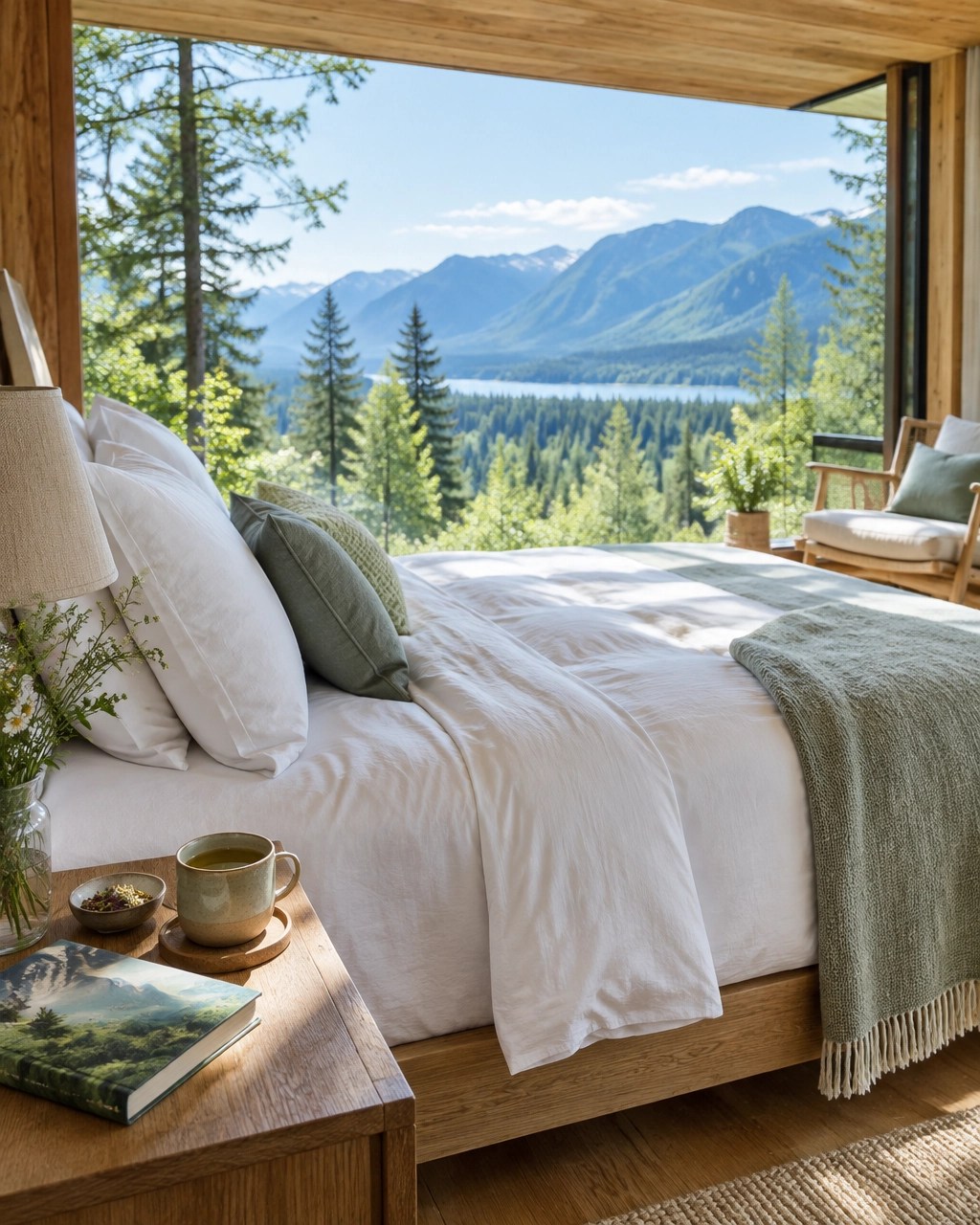
Sleep tourism is becoming less about futuristic gadgets and more about fundamentals: darkness, fresh air, natural materials, morning light, limited screens and a schedule that does not ask you to rush.
The strongest sleep-led retreats offer a structured reset without turning rest into another performance. You may begin the day with daylight exposure and a gentle walk, eat an early dinner, attend a sleep education session, then move into a screen-free evening. Some programmes include digital detox periods, breathing practices, journalling or circadian-rhythm guidance.
The most convincing retreats explain what they actually do. They can tell you about room-darkening, night-time noise, mattress quality, temperature, evening meals and phone policy, not simply promise transformation.
Look for forest lodges in Germany and Sweden, low-stimulation alpine properties, Finnish lakeside cabins and small coastal hotels in Portugal or Greece. A room with a view is lovely; a room with proper blackout curtains, excellent ventilation and no late-night bar beneath it is better.
Three nights can be enough to notice a change in your rhythm, particularly when the journey is simple and the programme is realistic. Five to seven nights gives you more time to settle, walk, eat well and return home without feeling that the reset ended just as it began.
Best for: solo travellers, couples, honeymoon and romancing packages, and friends who want an elegant shared experience without constant activity.
🥾 Walking and slow movement: the luxury of a longer day
Walking retreats offer one of the clearest ways to combine nature, movement and food. You travel at the pace of the landscape, then arrive somewhere that makes the effort worthwhile.
The Portuguese Camino, particularly quieter inland sections and coastal routes outside the busiest periods, offers a satisfying structure: walk, pause, eat, sleep. The Cotswold Way gives you honey-coloured villages, rolling hills and country-house dining without leaving England. In Austria and Switzerland, valley walks lead through meadows, villages, vineyards and mountain passes, with cable cars available when the route needs softening.
A good hiking-based wellness week is not an endurance challenge. Distances are adapted, luggage transfers may be included, and there is space for a long lunch or an afternoon beside the pool. Evenings should bring real food (grilled fish, local cheeses, warm bread, seasonal vegetables, regional wine where appropriate) rather than a restrictive menu disguised as wellness.
Best for: friends, couples, active solo travellers and small groups. It is less suitable for young families unless a property offers genuinely flexible routes and childcare.
Best months: April to June and September to October for Portugal, the Cotswolds and the Alps. July and August work well at higher altitudes, though popular routes become busier.
☀️ Nature-first wellness in the sun
You do not need cold weather to reset outdoors.
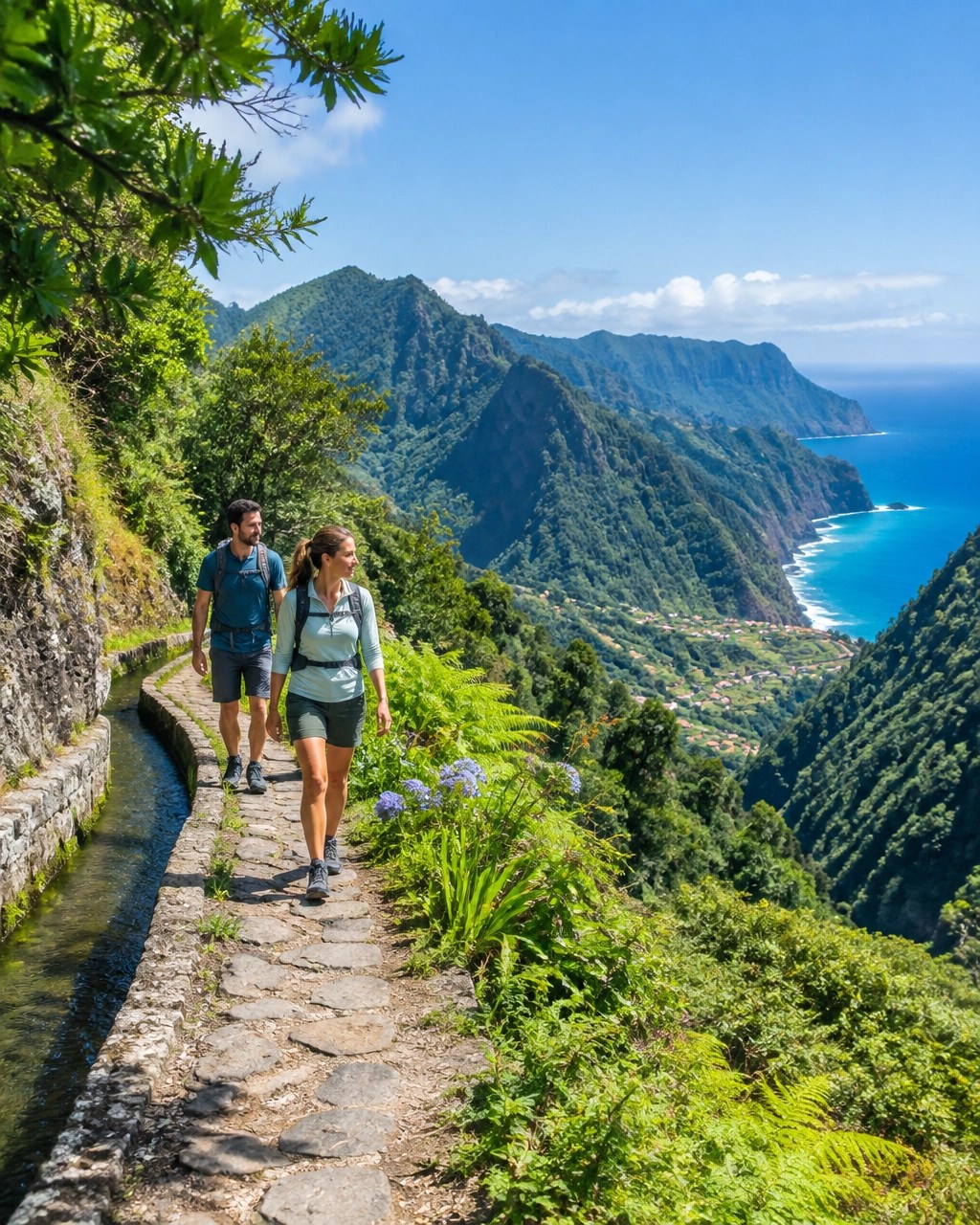
Madeira is made for active restoration: levada trails, volcanic viewpoints, botanical gardens and sea pools, with comfortable hotels that allow you to return from a walk and eat exceptionally well. In Crete and Greece, choose coastal wellness properties away from the busiest resort strips, where morning swims, olive groves and small fishing villages shape the day.
The Portuguese Atlantic coast is ideal for surf, coastal walking, yoga and seafood, especially outside the height of summer. In winter, the Canary Islands offer reliable warmth for outdoor resets: volcanic landscapes, coastal paths and hotels with space to breathe.
Best months: Madeira and the Canaries from November to March; Portugal and Crete from April to June or September to October. July and August can be beautiful, but choose your base carefully if you want to avoid busy beaches and full restaurants.
A retreat or a beautiful hotel in a restorative place?
A fully programmed retreat suits you if you want expert guidance, a fixed rhythm and the ease of having activities, meals and transfers arranged. It is particularly useful if you are travelling alone or trying forest bathing, cold water or a walking holiday for the first time.
A beautiful hotel in the right setting is better if you already know what restores you. You might book a woodland lodge, arrange a private forest guide for one morning, swim when the conditions are right and leave the rest of the day open.
For many travellers, the setting and food matter more than the treatment menu. A room that supports deep sleep, a trail beginning near the door, a quiet coastline and generous local meals can do more for the shape of a holiday than a long list of therapies.
Our philosophy is simple: find the beautiful but never too lively place. That may be a remote forest lodge, a small coastal hotel away from the main beach, a farm stay with food from its own garden or a vineyard property where dinner is part of the landscape.
Practical details that change the experience
Arrive Monday and leave Friday. This simple pattern can avoid weekend crowds at popular coastal hotels, swimming spots and walking routes. It also gives you four nights to settle without turning the trip into a rushed long weekend.
Pack for the elements. Bring layered clothing, a waterproof shell, comfortable walking shoes, swimwear, a quick-dry towel, refillable water bottle, sun protection, a small torch and a dry bag. For cold water, add warm socks, a wool hat, changing robe or oversized towel and easy-to-layer clothing. Your retreat should provide clear guidance on what is supplied.
Check the programme honestly. Ask who leads the sessions, whether guides are qualified, how much free time exists, what happens in poor weather, whether cold-water activities are supervised and whether meals are included. A genuine retreat is specific. Marketing language alone is not.
Plan the transfer. A long, complicated journey can undo the calm before it begins. Where available, we can arrange upgraded or private transfers, particularly for remote alpine, coastal and forest properties.
Small, genuinely limited retreats and the most characterful coastal hotels often book early for spring and autumn 2027. That said, our fast, effective and reliable service means we can also handle last-minute requests successfully: finding the right room, the right setting and the right journey when availability changes unexpectedly.
For tailored luxury choices, hidden gems, Europe escapes, solo travel or honeymoon and romancing packages, speak with Raheem Tours through our enquiry page, or explore our destinations.
📩 Instagram readers: comment RESET and we will send you the direct link to this guide by DM.
Timeless travel, whenever wherever.


