

Timeless travel, whenever wherever.
Japan in 2026 invites you to experience two worlds at once : the electric rhythm of Tokyo, the lantern-lit lanes of Kyoto, the bold flavours of Osaka, and the profound stillness of a mountain onsen village.
Beyond the famous sights, Japan reveals itself in quieter moments: matcha whisked during a private tea ceremony, the soft click of a ryokan door sliding open, a beautifully presented kaiseki course, and the changing landscape beyond the window of a Shinkansen.
This is one of Asia’s most rewarding destinations for cultural discovery, refined luxury choices, and hidden gems that linger long after you return home.
🏙️ Tokyo : neon energy, timeless detail
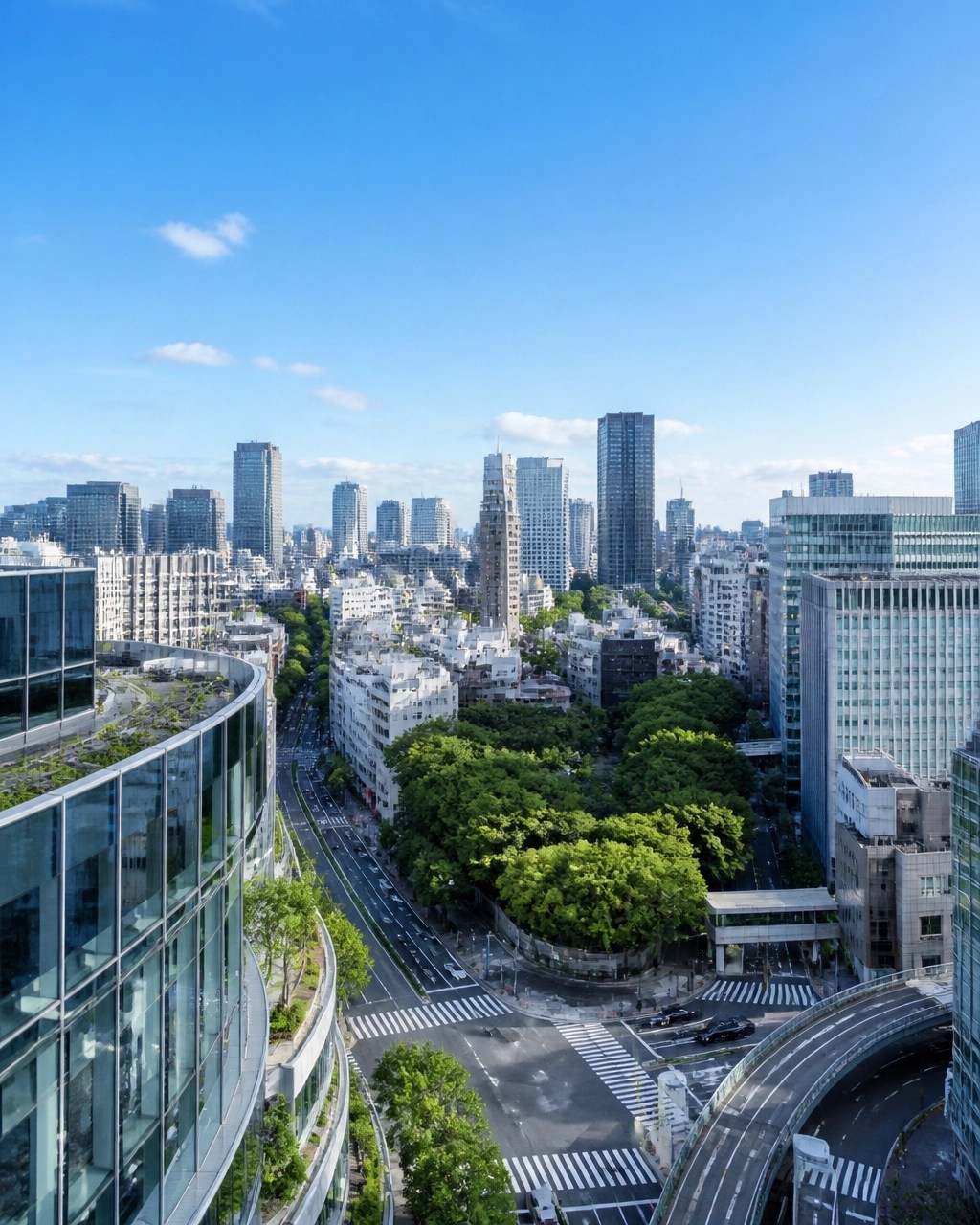
Tokyo is impossibly vast, yet its most memorable experiences often feel wonderfully intimate.
Begin among the glass towers and glowing crossings of Shibuya, then move towards the elegant calm of Ginza and Nihonbashi, where heritage department stores, artisanal boutiques, sushi counters, and polished architecture meet. In Asakusa, the incense drifting around Sensō-ji offers a glimpse of old Tokyo : a beautiful contrast to the futuristic skyline.
For first-time visitors, there are plenty of iconic things to do: ascend Tokyo Skytree, explore the Imperial Palace gardens, browse Tsukiji’s food stalls, and discover contemporary art in teamLab Borderless. Our advice is to leave space between the highlights. Tokyo rewards unplanned wandering.
For a quieter stay, consider a hotel in Aoyama, Azabu, Marunouchi, or Daikanyama rather than directly beside the busiest nightlife districts. You remain close to the city’s cultural heart while returning each evening to a more serene setting : the kind of beautiful hotel location we seek for our clients.
Explore the official GO TOKYO destination guide for seasonal ideas, neighbourhoods, and current visitor information.
⛩️ Kyoto : where culture unfolds slowly
Kyoto is the Japan many travellers imagine: vermilion torii gates, moss-covered gardens, wooden machiya houses, and temple bells carried through clear morning air.
Visit Fushimi Inari early, when the tunnel of torii feels almost private. Walk through Gion respectfully, where traditional architecture and carefully preserved streets create a sense of timelessness. A privately arranged tea ceremony allows you to experience the precision and quiet hospitality of chanoyu without rushing from one attraction to the next.
A carefully guided geisha or maiko cultural experience can offer deeper insight into Kyoto’s performing arts, music, dance, kimono, and seasonal traditions. The best encounters are arranged with cultural sensitivity and respect : you observe, listen, and learn rather than treating living traditions as a spectacle.
For dining, Kyoto is a natural home for kaiseki : a seasonal sequence of delicate dishes designed around texture, balance, colour, and the finest local ingredients. Dinner becomes more than a meal. It becomes a beautifully paced story of the season.
Stay in a refined boutique hotel near the Philosopher’s Path, Higashiyama, or the quieter edges of Gion. Alternatively, choose a private machiya for a more residential experience. You don’t just visit Kyoto : you begin to understand its rhythm.
Discover more through the official Kyoto destination information from JNTO.
🍜 Osaka : bold flavours and effortless warmth
Osaka feels immediately welcoming. The city is energetic, playful, and gloriously food-focused.
Walk through Dōtonbori beneath its vivid signs, sample takoyaki and okonomiyaki, and explore the independent restaurants of Ura-Namba. Osaka Castle offers history and wide city views, while the waterfront and modern districts reveal a softer, more contemporary side.
Food is central here, but it is the atmosphere that stays with you : chefs calling across open kitchens, friends gathering over late dinners, and the easy humour of a city that knows how to enjoy itself.
Osaka works beautifully as a two- or three-night stay within a wider Japan itinerary. It is also an excellent base for day trips to Nara, Himeji, or the sacred mountain landscapes of Kōyasan.
For accommodation, choose a well-located hotel in Umeda, Nakanoshima, or a quieter part of Namba. These areas offer convenient access without placing you directly in the loudest streets.
🗻 Mt Fuji and Hakone : mountain views, mineral-rich waters
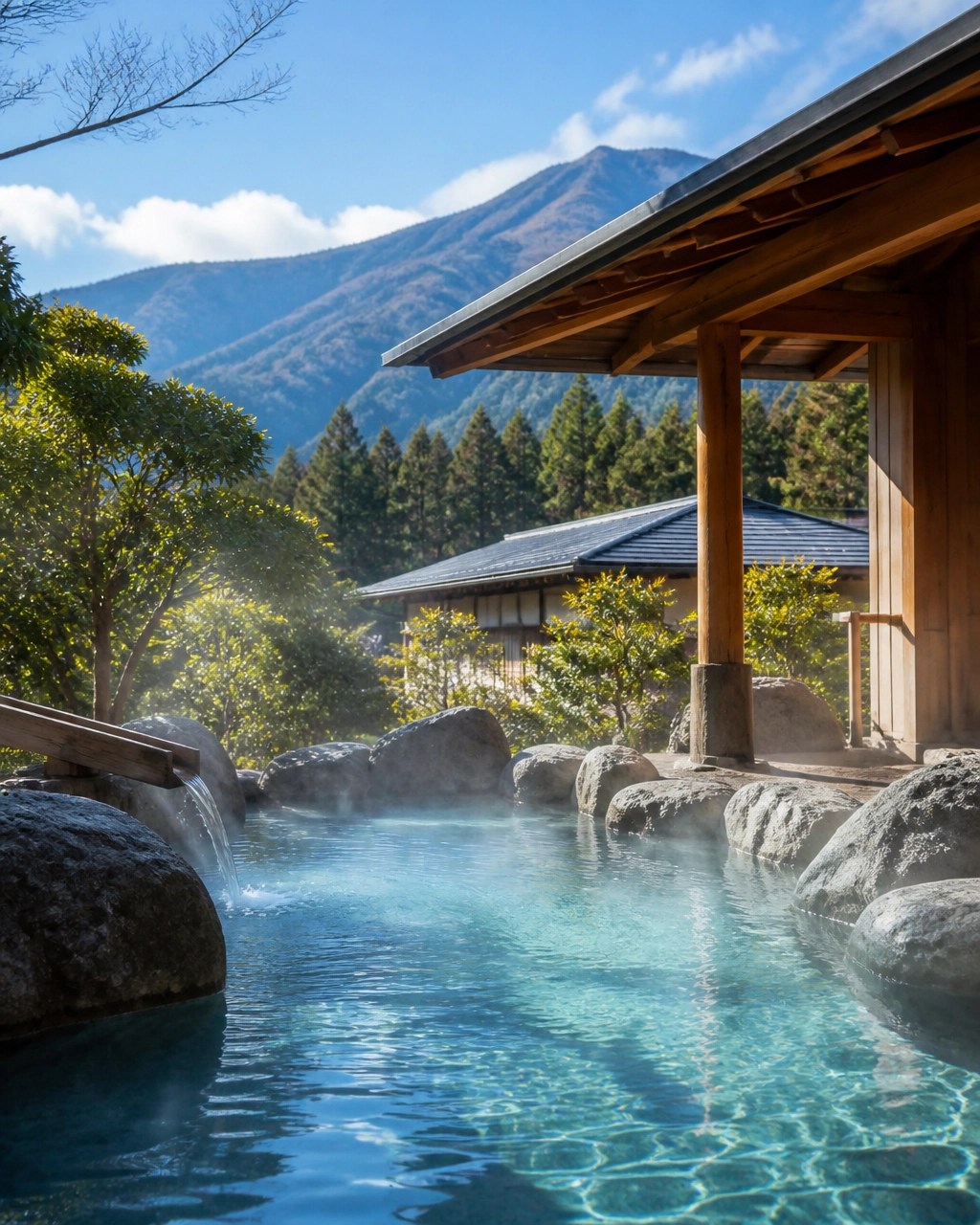
Few transitions are more satisfying than travelling from Tokyo towards Hakone. The skyline softens, cedar forests rise around the road, and the silhouette of Mt Fuji appears between the clouds when the weather is kind.
Hakone is best experienced slowly. Cruise across Lake Ashi, explore the Open-Air Museum, take the ropeway towards Owakudani, and pause for views of Fuji across volcanic valleys.
Then settle into an onsen ryokan : a traditional inn where tatami rooms, yukata, seasonal cuisine, and hot spring bathing create a sense of complete reset. Choose a room with a private bath if you prefer your own tranquil space, or enjoy the communal onsen according to local etiquette.
A ryokan stay is one of Japan’s most distinctive luxury choices. Luxury here is not defined by excess. It is found in the quality of the wood, the warmth of the welcome, the precision of dinner, and the stillness of looking out across a garden after bathing.
For another onsen experience, consider Kinosaki, Kusatsu, Ginzan Onsen, or Beppu and Yufuin. Each offers a different landscape and character : from snow-dusted wooden streets to volcanic spring towns and lush Kyushu scenery.
See the JNTO guide to Hakone and its wider guides to Japanese ryokan and onsen.
🚄 The journey matters : upgrade your Shinkansen experience
Japan’s rail network makes travelling between cities remarkably smooth, and the journey itself becomes part of the holiday.
The Shinkansen connects Tokyo, Kyoto, and Osaka with speed and remarkable punctuality. For an elevated experience, ask about reserving a Green Car seat, which offers more space and a quieter atmosphere. On routes where it is available, Gran Class provides an even more exclusive rail experience.
A thoughtful upgrade makes a difference when you are carrying luggage, travelling as a couple, or simply want to watch Japan pass by in comfort. Pick up an ekiben before boarding : a beautifully arranged station bento : and let the landscape shift from urban density to rice fields, forests, and distant mountains.
Our team can help coordinate rail timings, luggage arrangements, private transfers, and upgraded journeys so the itinerary feels seamless from arrival to departure.
🌿 Hidden Japan : beyond the big cities
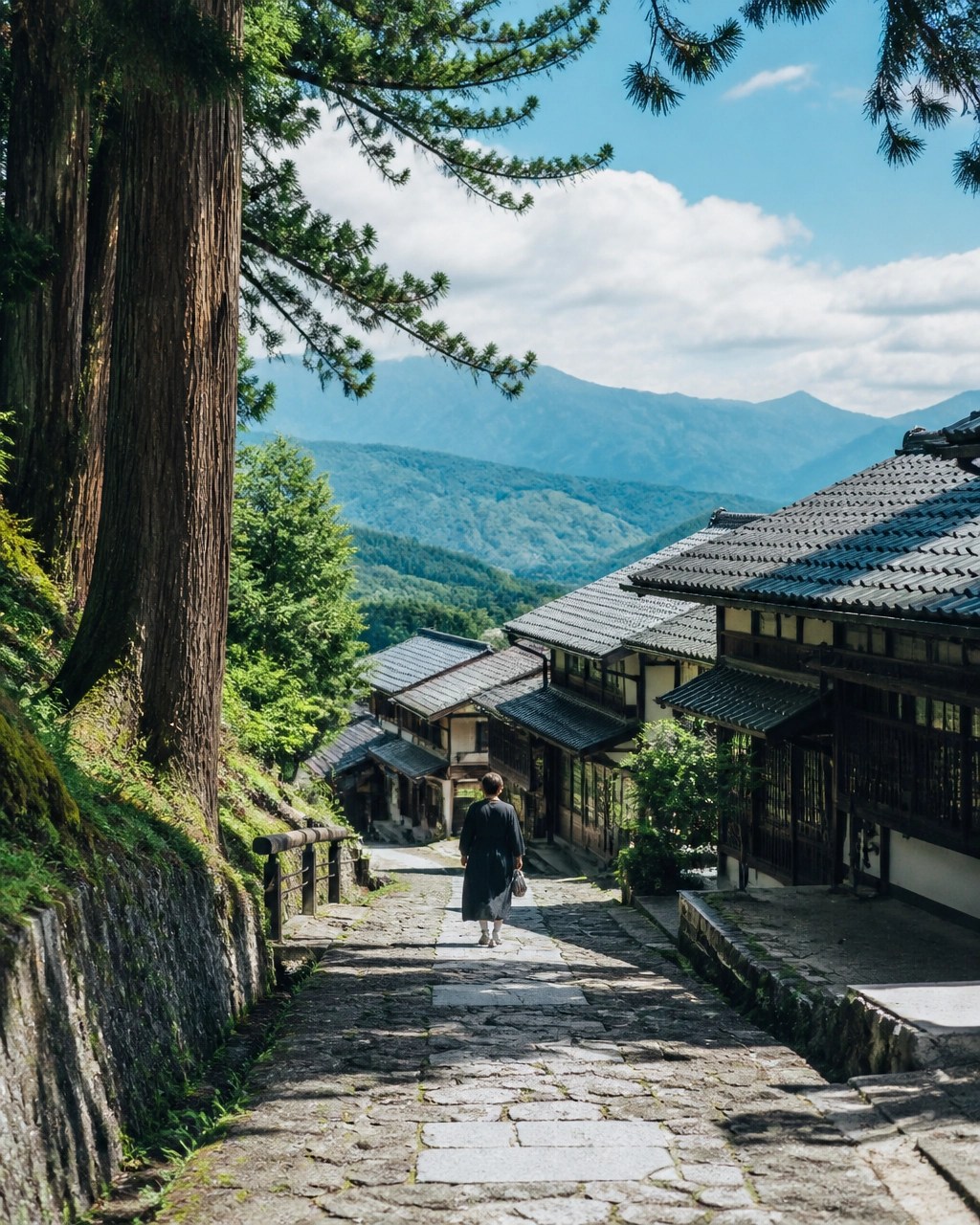
Japan’s most memorable hidden gems often lie just beyond the standard route.
The Kiso Valley offers cedar forests, mountain air, and historic post towns such as Magome and Tsumago. Walk a section of the old Nakasendō trail, stay in a traditional inn, and experience a slower Japan shaped by craft, nature, and centuries of travellers.
In Kanazawa, explore Kenroku-en Garden, contemporary galleries, gold-leaf craftsmanship, and beautifully preserved samurai and geisha districts without Kyoto’s intensity. Nara offers temple deer, ancient Buddhist heritage, and quiet lanes that reward an early start.
For something more remote, consider Koyasan, where temple lodging introduces you to Buddhist rituals, vegetarian shōjin ryōri, and forested mountain paths. Kurashiki, with its white-walled canal district, is another elegant addition for travellers seeking art, history, and a calmer pace.
Further afield, Yakushima brings ancient cedar forests and deeply atmospheric hiking, while Setouchi’s art islands combine contemporary creativity with sea views and small-town tranquillity.
These are the places where you move beyond the postcards. You don’t just see Japan : you feel its texture.
🌸🍁❄️ Best month to travel to Japan in 2026
Japan changes dramatically with the seasons, so the best month to travel depends on what you want to experience.
Late March to mid-April : cherry blossom season
For Tokyo, Kyoto, Osaka, and Hakone, plan around late March to mid-April. The 2026 forecast places first blooms in Tokyo around 21 March and Osaka around 26 March, although weather can shift the exact dates. A flexible itinerary is the safest way to enjoy sakura.
Book early. This is one of Japan’s busiest periods.
October to November : autumn colour
Autumn brings crisp air, clear skies, and forests turning copper, amber, and crimson. Hakone and the mountain regions often show colour from late October, while Kyoto, Tokyo, and Osaka are especially beautiful through November.
This is an exceptional season for ryokan stays, gardens, temple visits, and photography.
January to February : quieter winter elegance
January and February are ideal if you prefer fewer crowds, clear winter days, snow experiences, and atmospheric onsen villages. Consider Hakone, Nagano, Niigata, Hokkaido, or the Japanese Alps.
For an early glimpse of sakura, Okinawa’s blossoms arrive much earlier than on the main islands.
Check the latest JNTO seasonal guidance and 2026 cherry blossom forecast before confirming your dates.
✨ Your Japan, beautifully arranged
Whether you are planning a honeymoon, a family adventure, a solo escape, or a luxury cultural journey, Japan allows you to shape the experience around your own pace.
Our service is designed to make that planning feel easy : from fast and reliable advice to last-minute bookings when availability changes, from carefully selected hotels away from overly lively areas to amazing food options and upgraded transfers when appropriate.
Japan can be intricate to arrange. That is precisely why expert guidance matters.
Begin with Tokyo’s neon skyline. Continue through Kyoto’s quiet courtyards. Travel by Shinkansen, dine on the season, and end beside an onsen pool beneath the mountains.
The beauty of the world is waiting : and Japan knows how to reveal it slowly.
Timeless travel, whenever wherever.


